Jing Yang Defends Her PhD Thesis: From the Tumour Microenvironment to the Pond Ecosystem

By |2026-10-10T09:15:30+00:00October 10, 2026|CBBL News|

Yesterday, October 9, 2026, Jing Yang successfully defended her PhD thesis, “A Quantitative View of the Heterogeneity–Diversity Axis in Biological Systems — From the Tumour Microenvironment to the Pond Ecosystem,” in the Sala Segimon Serrallonga at UVic-UCC, within the PhD programme in Bioinformatics.
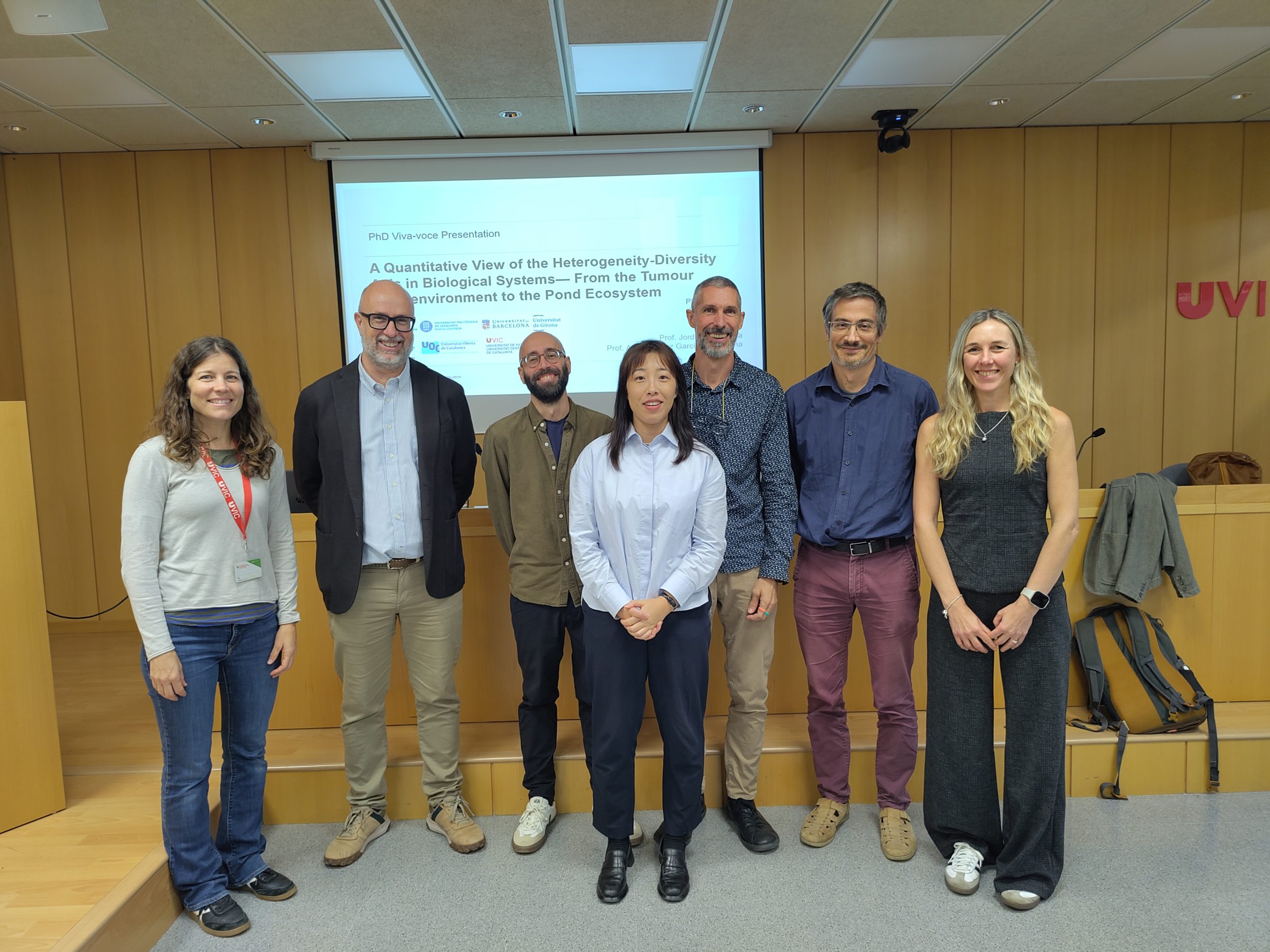
Jing Yang with the members of the examining committee and her supervisors in front of the title slide of her PhD defence
Jing Yang with the examining committee and her supervisors after the defence, Sala Segimon Serrallonga, UVic-UCC (October 9, 2026).

Jing’s thesis has been interdisciplinary from start to finish. It looks at tumours and ecosystems, two systems that seem very different, through a common question: how diversity and heterogeneity among their parts shape stability, adaptation and change. On the biomedical side, she used single-cell transcriptomics to study cellular plasticity and therapeutic resistance in glioblastoma, and to describe the transition between non-muscle-invasive and muscle-invasive bladder cancer. She combined dimensionality reduction, network inference and perturbation analyses to identify key cell-state transitions and regulatory hubs. On the ecological side, she analysed field data from 240 ponds in 41 pondscapes across Europe to work out how climate, land use and pond features drive nitrogen and phosphorus enrichment.

Although the two systems are studied separately, the thesis closes with a reflection on what they may have in common. It discusses how concepts such as entropy and ecological diversity metrics could be applied to both cancer and ponds. Rather than a finished integration, this opens the door to a shared quantitative language for resilience and transformation in complex biological systems, a line we hope to keep exploring between oncology and ecology.

This thesis is also a milestone for the CBBL. It is the first thesis in our group devoted to the analysis of omics data, and the first carried out in collaboration with the Aquatic Ecology Group of the Faculty of Sciences, Technology and Engineering (FCTE), as part of the PRISTIN project led by Mireia Bartrons. The thesis was supervised by Jordi Villà-Freixa, Adrián López García de Lomana and Mireia Bartrons.

We would like to warmly thank the members of the examining committee for their careful reading of the thesis and for an engaging discussion:

Our thanks also go to the substitute members, Dr. Thomas Duflot (Université de Rouen), Dr. Mireia Olivella García (UVic-UCC) and Dr. Ottar Rolfsson (University of Iceland), and to everyone who joined us for the defence.

Congratulations, Dr. Yang, and all the best for the next steps!
Physics-Informed Neural Networks at the 3rd Biology for Physics Conference

By |2026-09-09T11:11:00+00:00September 9, 2026|CBBL News|

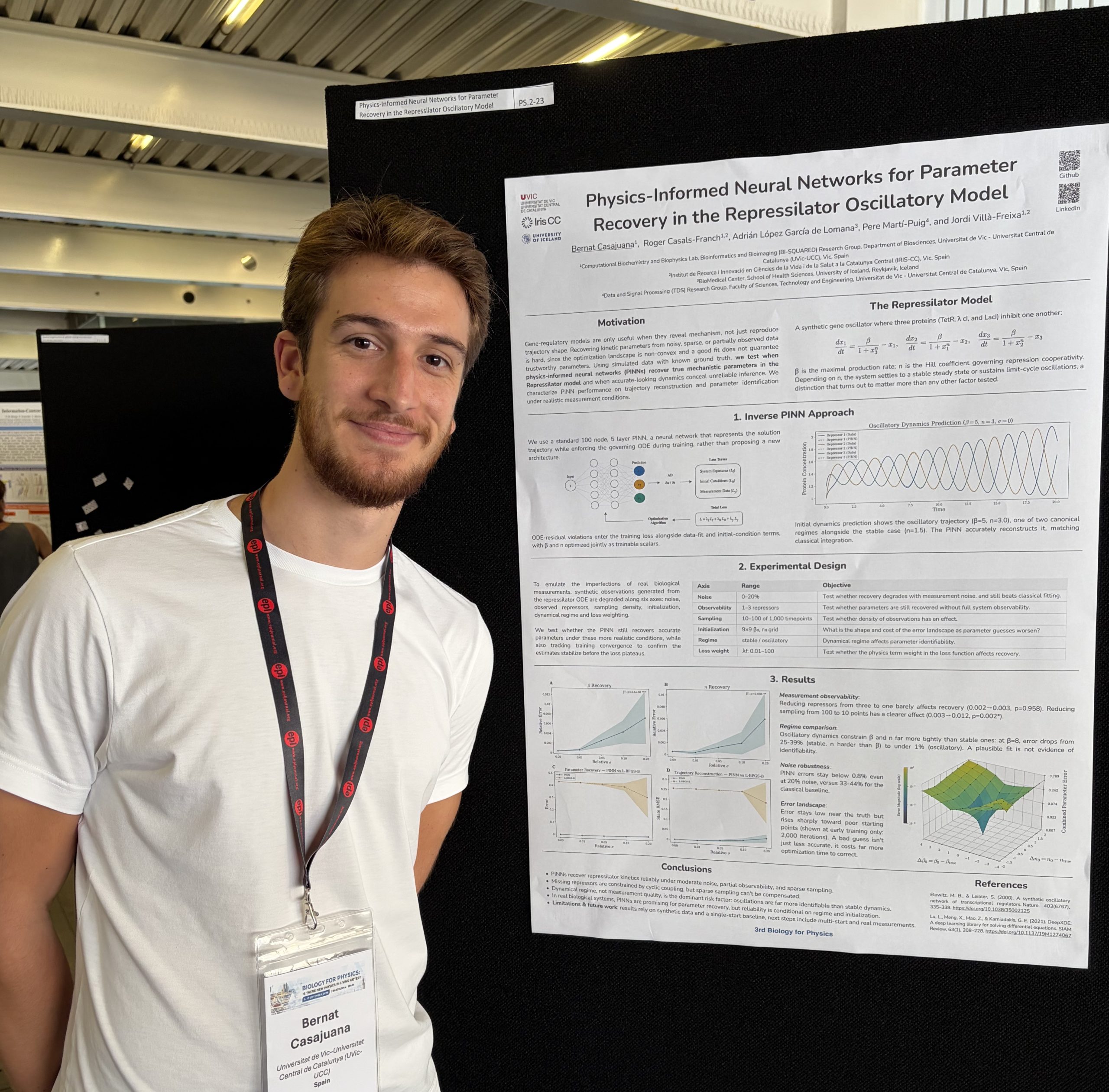
Our student Bernat Casajuana presented a poster at the 3rd Biology for Physics Conference, held September 6 to 10, 2026, at the Barcelona Biomedical Research Park, under the theme “Energy and Information in Living Matter.” The conference combined invited talks, contributed talks, and poster sessions, with a particular focus on connecting early-career researchers with established leaders in the field.

Bernat Casajuana with poster PS.2-23, “Physics-Informed Neural Networks for Parameter Recovery in the Repressilator Oscillatory Model,” at the 3rd Biology for Physics Conference.

The conference explored living systems through nonequilibrium statistical physics, focusing on how biological function depends on energy dissipation and information processing far from equilibrium. Core concepts included entropy production as a signature of irreversibility, thermodynamic and information-theoretic limits on cellular sensing and signaling, and methods for inferring physical laws directly from noisy experimental data.

That last topic is close to what Bernat has been working on with physics-informed neural networks (PINNs), where instead of learning the physical laws from data, the laws are already known and are used to guide a machine-learning model for parameter recovery in the Repressilator, a small synthetic gene network.

Work carried out with Roger Casals-Franch, Adrián López García de Lomana, Pere Martí-Puig, and Jordi Villà-Freixa (IRIS-CC · UVic-UCC · University of Iceland).

Bernat had presented the project a few days earlier, as a talk, at MDAI 2026 in Vic.

Bernat Casajuana Presents Physics-Informed Neural Networks at MDAI 2026

By |2026-09-09T11:12:58+00:00September 9, 2026|CBBL News|

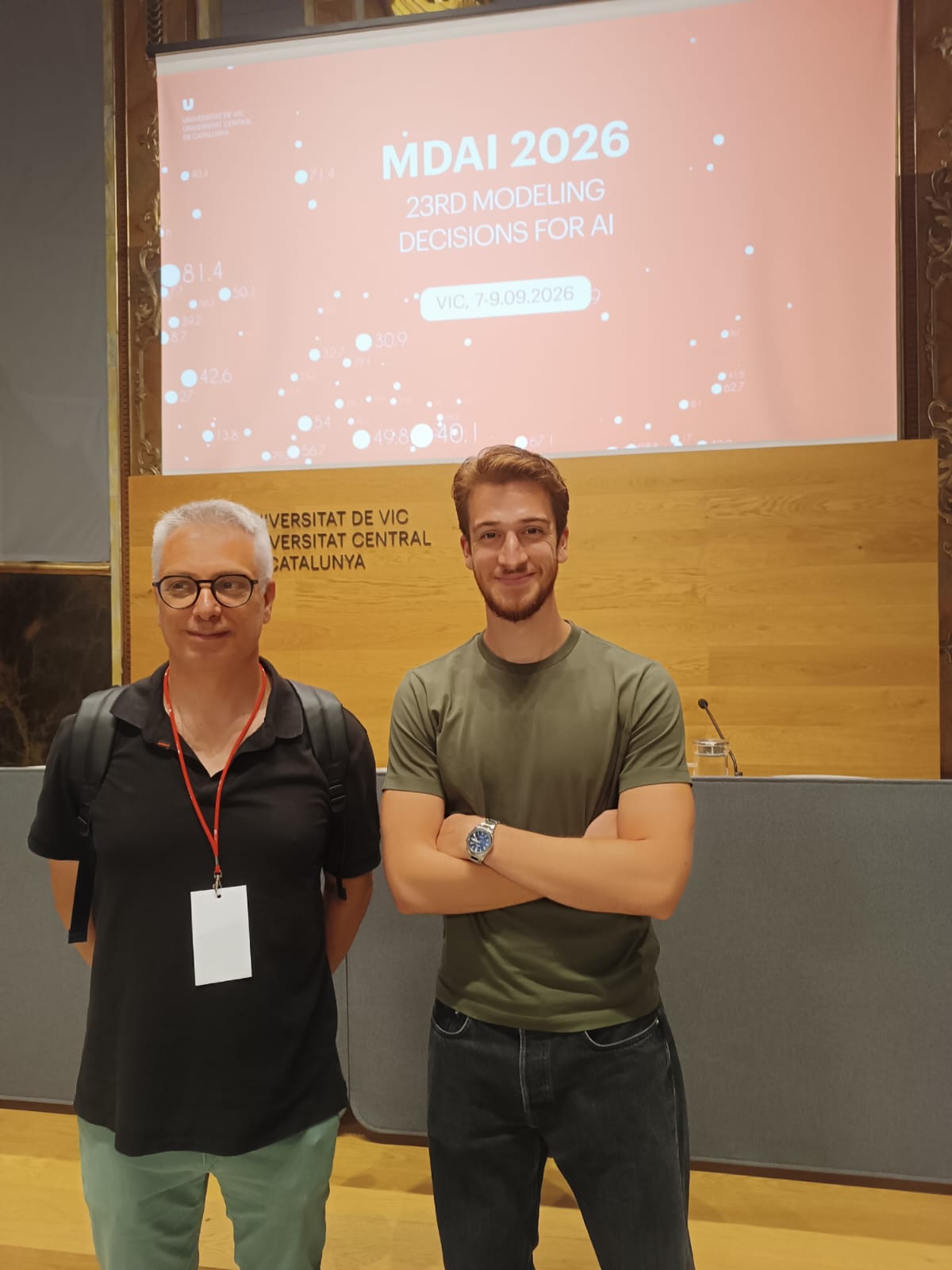
Bernat Casajuana, an undergrad Biomedical student at the CBBL, attended and presented at MDAI 2026, the 23rd International Conference on Modeling Decisions for Artificial Intelligence, held in Vic from September 7 to 9, 2026.

Bernat Casajuana and Pere Martí at MDAI 2026, Vic (September 7–9, 2026).

The meeting focused on the mathematical foundations of decision-making in AI, including the aggregation of information from multiple sources, human decision models, and explainable machine learning—concepts close to how physics-informed neural networks combine data and physical priors in a single model.

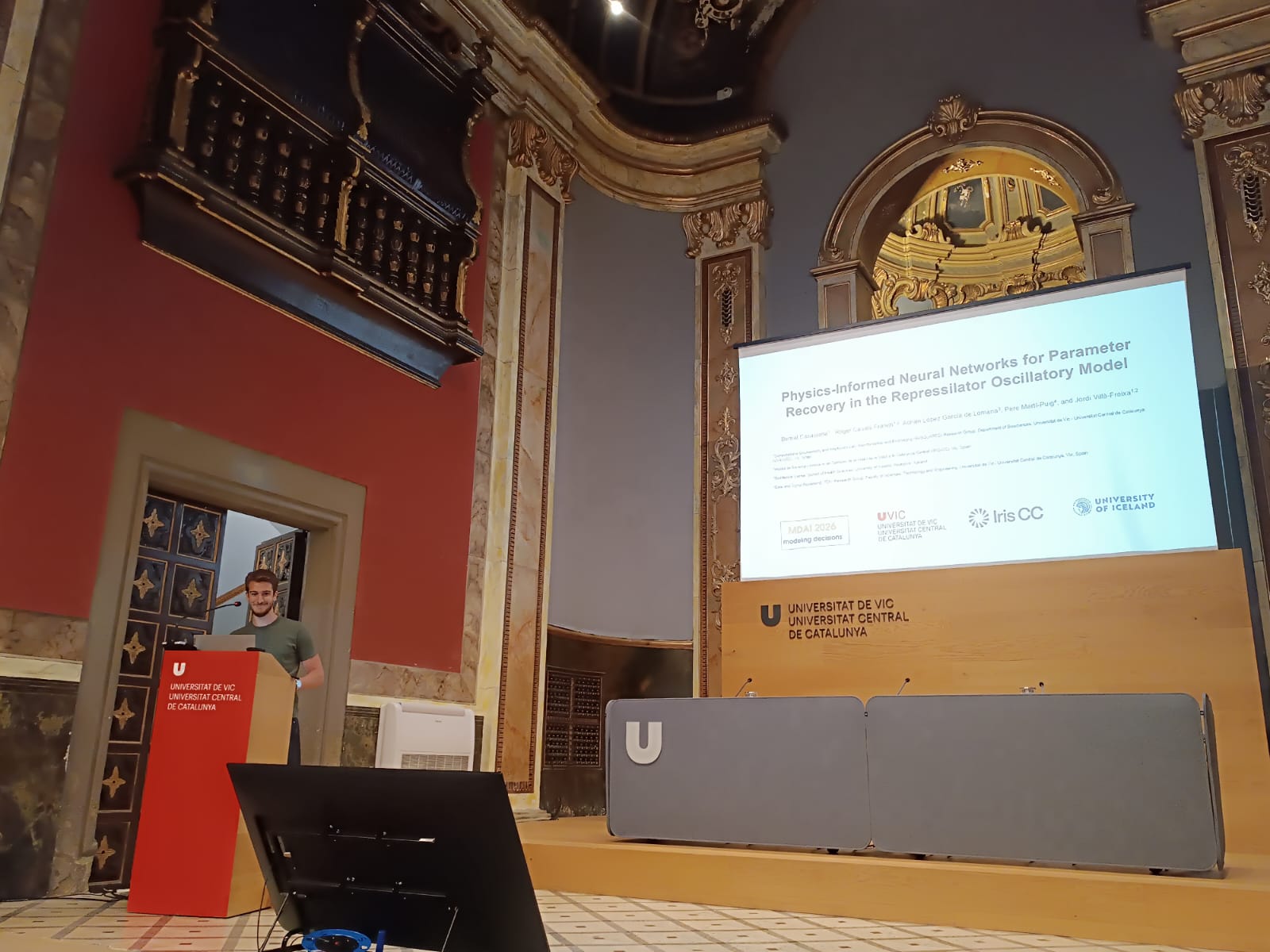
Bernat’s talk, “Physics-Informed Neural Networks for Parameter Recovery in the Repressilator Oscillatory Model,” presented work on using PINNs to recover the true kinetic parameters of the Repressilator, a small synthetic gene oscillator, directly from noisy and partially observed simulated data.

Bernat presenting the PINN approach for parameter recovery in the Repressilator model.

Work carried out with Roger Casals-Franch, Adrián López García de Lomana, Pere Martí-Puig, and Jordi Villà-Freixa (IRIS-CC · UVic-UCC · University of Iceland).

Bernat presented his project a few days later, as a poster, at the 3rd Biology for Physics Conference in Barcelona.

Roger Casals Presents Boolyne at ECCB 2026

By |2026-09-01T13:58:13+00:00September 1, 2026|CBBL News, Conferences, PhD, Research|

This week, our researcher Roger Casals presented a poster at ECCB 2026, the 25th European Conference on Computational Biology, held in Geneva and one of the leading events in computational biology, gathering more than 800 posters and 1,500 participants.

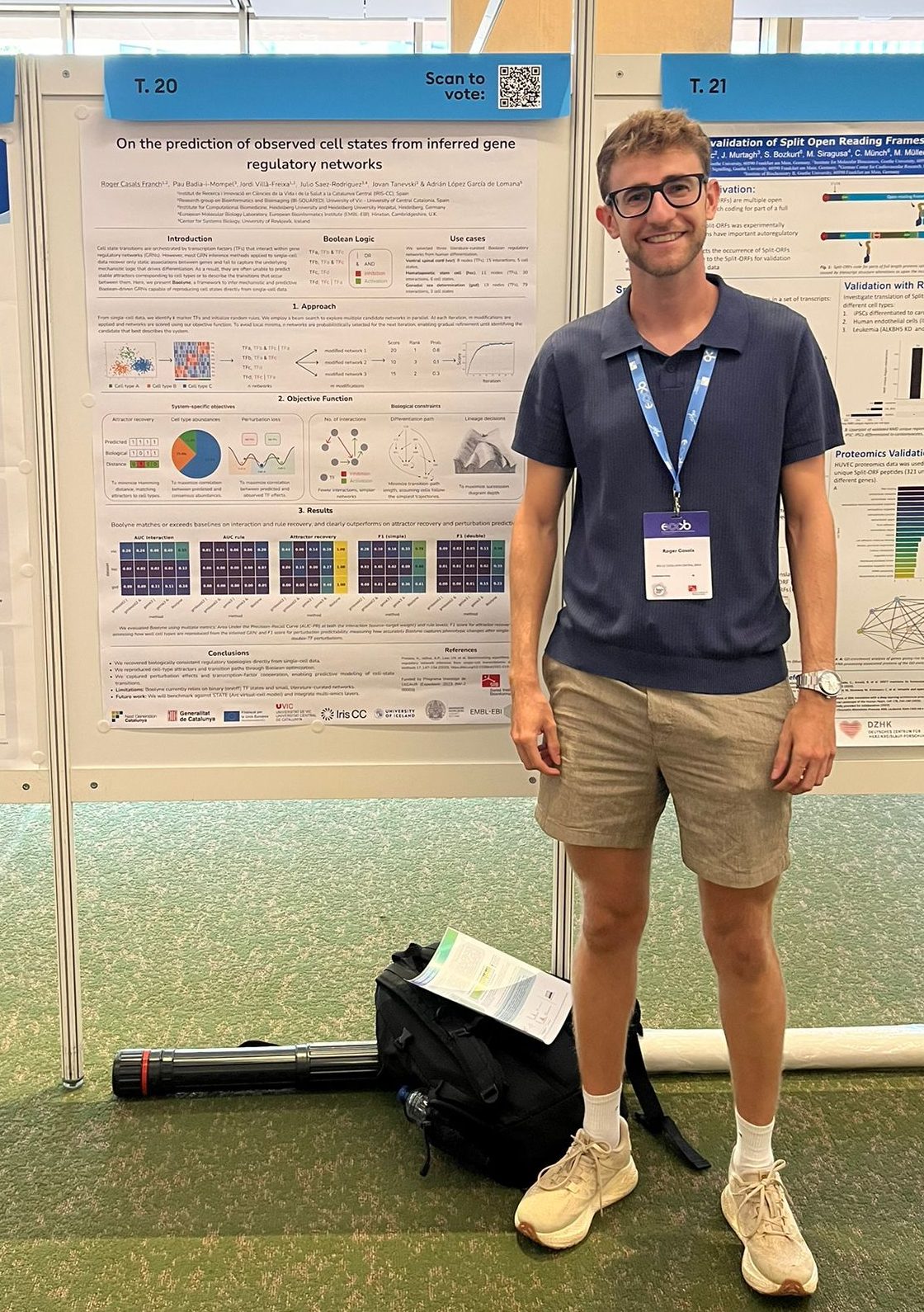
Roger Casals standing next to his poster on gene regulatory network inference at ECCB 2026
Roger Casals with poster T.20, “On the prediction of observed cell states from inferred gene regulatory networks,” at ECCB 2026.

He presented Boolyne, a framework for inferring gene regulatory networks (GRNs) directly from single-cell data. Most GRN inference methods only recover static associations between genes, so they can’t explain the mechanistic logic that drives how cells differentiate. Boolyne instead learns Boolean-driven networks that reproduce real cell states and the transitions between them, with the aim of building a genuinely predictive model—one that can anticipate how cells respond to perturbations rather than just describe what’s already been observed.

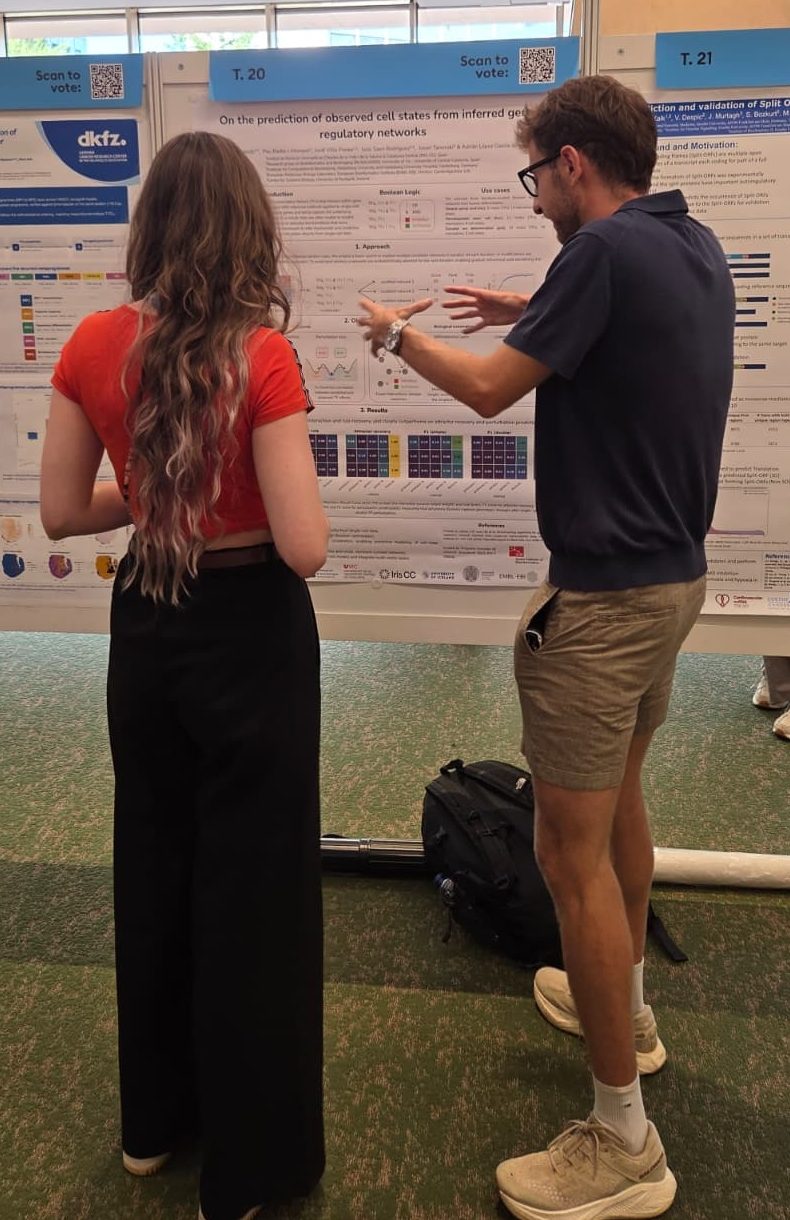
Roger Casals discussing his poster with a colleague during the ECCB 2026 poster session
Discussing Boolyne with a fellow attendee during the poster session.

Beyond the results, events like ECCB are a valuable chance to exchange ideas with the wider community and bring new questions back to our research.

Work carried out with Pau Badia-i-Mompel, Jordi Villà-Freixa, Julio Saez-Rodriguez, Jovan Tanevski, and Adrián López García de Lomana (IRIS-CC · UVic-UCC · Heidelberg · EMBL-EBI · University of Reykjavík).

This latest result builds on Roger’s earlier work on gene regulatory networks and cell-state transitions from single-cell data, previously presented at scverse 2025 at Stanford, at the XV Bioinformatics Symposium (JBI2025), at the SEBiBC congress, and in the poster selected for the VHIO Award of Computing in Oncology.

Nayanika Das Presents Advances in GPX6 Catalysis at ACS Fall 2026

By |2026-09-01T09:33:30+00:00September 1, 2026|CBBL News, Conferences, PhD, Publications, Research|

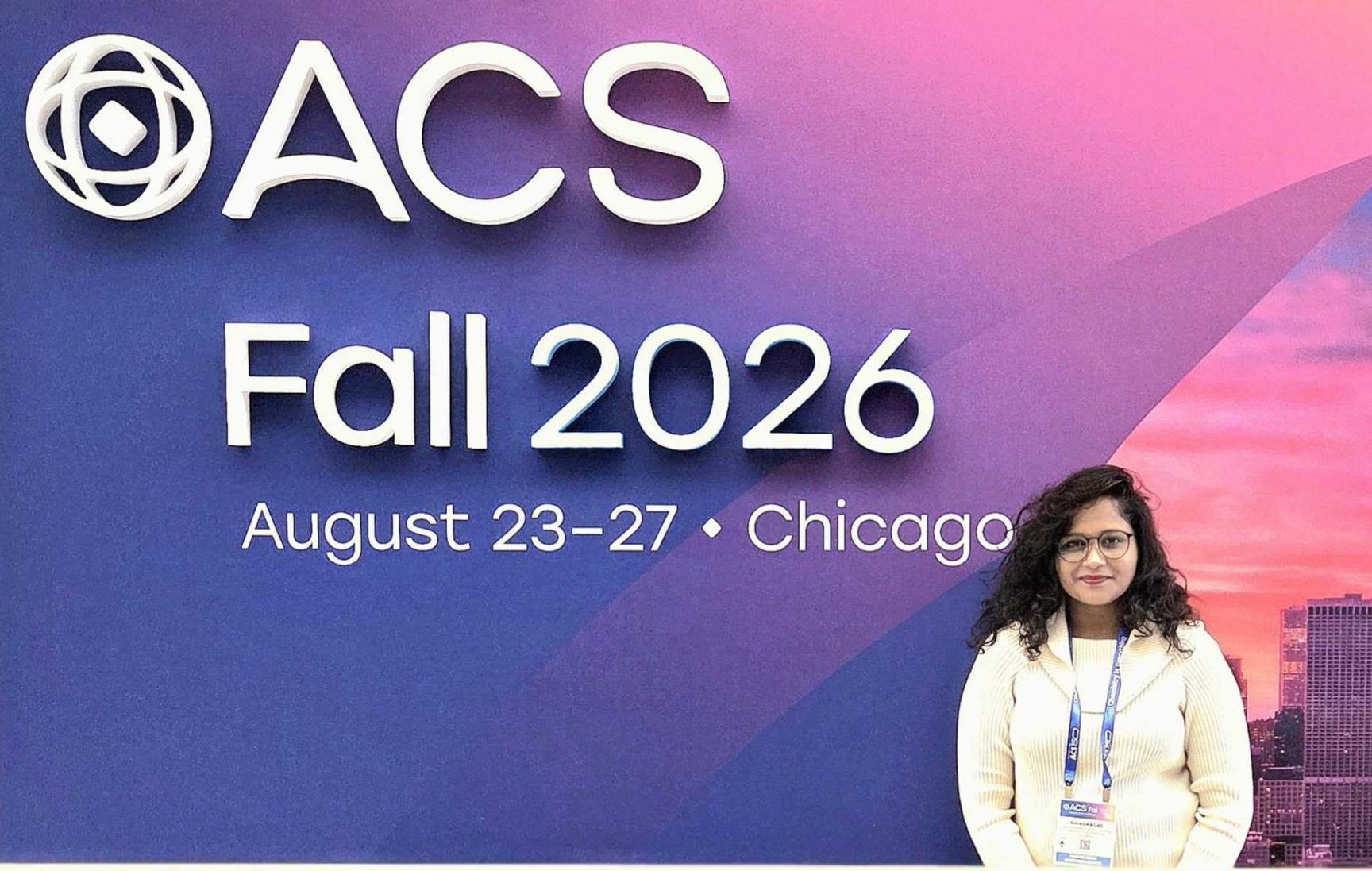
Our PhD researcher, Nayanika Das, presented her work at ACS Fall 2026, the American Chemical Society’s national meeting held in Chicago from August 23 to 27, 2026, during the in-person poster session of the Physical Chemistry (PHYS) Division.

Nayanika Das at the ACS Fall 2026 Chicago
Nayanika Das at ACS Fall 2026, Chicago (August 23–27, 2026).

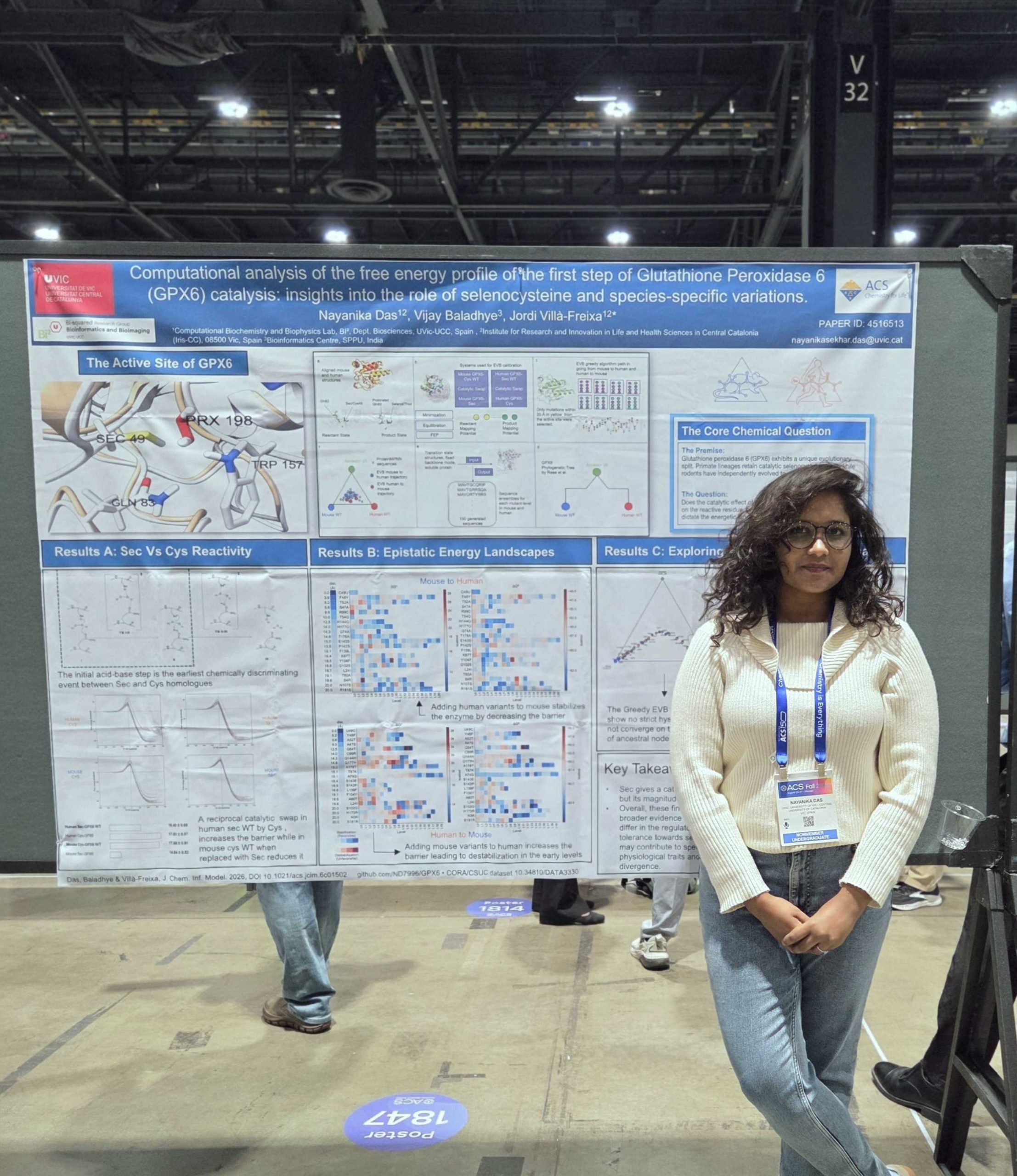
Her contribution, entitled “Computational Analysis of the Free Energy Profile of the First Step of Glutathione Peroxidase 6 (GPX6) Catalysis: Insights into the Role of Selenocysteine and Species-Specific Variations” (Poster 1847, Paper ID 4516513), explores the molecular and evolutionary factors influencing GPX6 catalysis.

Using computational free-energy calculations, the study investigates the role of the catalytic residue—selenocysteine (Sec) or cysteine (Cys)—and species-specific sequence variations. It further examines how interactions between mutations, or epistasis, can influence catalytic properties and contribute to protein evolution.

Nayanika Das next to her poster on GPX6 catalysis during the ACS Fall 2026 poster session
Presenting poster 1847 during the PHYS Division poster session.

The conference provided an excellent opportunity to share this research with an international scientific community and engage in discussions across computational chemistry, biochemistry, and molecular sciences.

The work presented builds on the lab’s related study on GPX6 catalysis, published in the Journal of Chemical Information and Modeling (DOI: 10.1021/acs.jcim.6c01502), with code and analysis openly available on GitHub and the underlying dataset deposited in the CORA/CSUC repository.

Nayanika’s participation in ACS Fall 2026 marks an important milestone in her doctoral research at the intersection of computational chemistry, protein catalysis, and molecular evolution. She gratefully acknowledges COZYME and IRIS-CC for providing the grants that made her participation possible.

EVB Free-Energy Landscapes Reveal Epistasis in GPX6 Evolution

By |2026-09-01T09:33:45+00:00July 21, 2026|CBBL News, PhD, Publications, Research|

A new study from the Computational Biochemistry and Biophysics Lab uses empirical valence bond simulations to show that the catalytic advantage of selenocysteine in GPX6 is not fixed: it depends on the surrounding protein sequence.

  • Article: Epistatic Modulation of Sec/Cys Catalysis in GPX6 Revealed by EVB Free-Energy Landscapes
  • Authors: Nayanika Das, Vijay Baladhye, Jordi Villà-Freixa
  • Journal: Journal of Chemical Information and Modeling
  • DOI: 10.1021/acs.jcim.6c01502
Human GPX6 keeps selenocysteine at its catalytic site, while rodent GPX6 lineages use cysteine. The study asks whether this is a simple residue swap or a deeper evolutionary reorganization. EVB simulations quantified the proton-transfer step that creates the reactive selenolate or thiolate species in human and mouse GPX6 variants.When a catalytic residue is not the whole storyThe same catalytic substitution can have different energetic consequences in different sequence backgrounds, a clear sign of epistasis in enzyme evolution.

Selenium often gives enzymes a chemical advantage. In glutathione peroxidases, selenocysteine can form a highly reactive selenolate, helping the enzyme reduce peroxides. GPX6 is especially informative because mammals have not all kept the same solution: primate GPX6 retains catalytic selenocysteine, whereas rodents and several other mammalian lineages have independently shifted to cysteine.

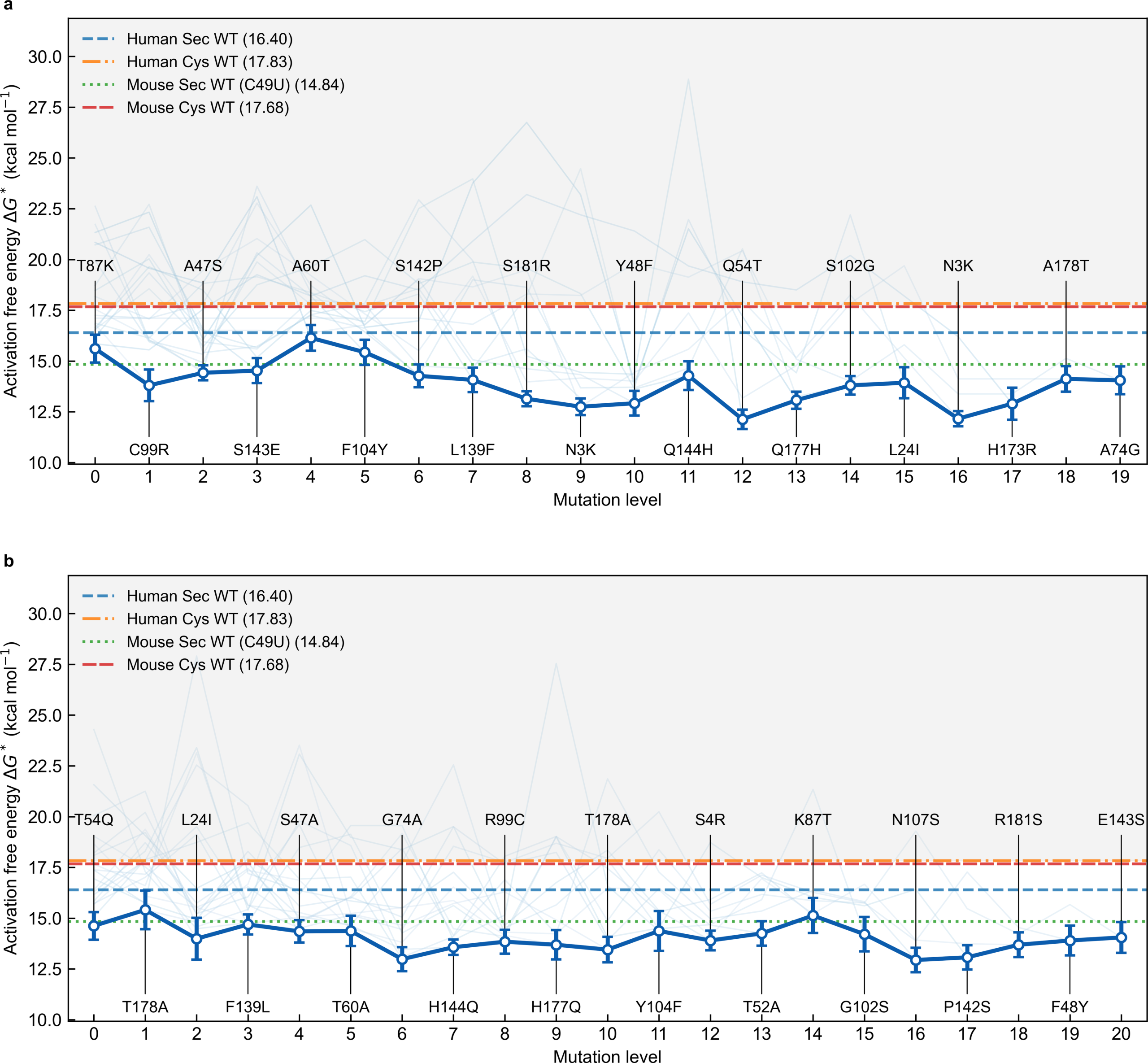
The new work shows that this evolutionary change cannot be understood by looking only at the catalytic atom. In the human protein, replacing selenocysteine with cysteine raises the activation barrier for the modeled proton-transfer step by 1.43 kcal mol-1. In the mouse protein, introducing selenocysteine lowers the barrier by 2.84 kcal mol-1. The chemistry of selenium matters, but the protein scaffold decides how much it matters.

Epistasis seen through free-energy landscapes

Nayanika Das then explored 20 substitutions close to the catalytic site and used EVB-derived activation barriers to identify energetically accessible paths between human and mouse GPX6. The result is a molecular view of epistasis: a substitution can be favorable, neutral, or unfavorable depending on the other residues already present.

This helps explain why rodent Cys-GPX6 should not be interpreted as a simple loss of selenium chemistry. Instead, the calculations support a model in which the rodent enzyme accumulated compensatory changes that help support catalysis with cysteine. Evolution appears constrained by the energetic landscape, but not locked into a single irreversible route.

The study represents a strong example of how detailed molecular simulations can connect catalytic chemistry with evolutionary history.

Why EVB matters for enzyme evolution and design

Empirical valence bond simulations are useful here because they translate sequence changes into changes in reaction free energy and activation barriers. That makes it possible to ask not only which mutations are present in evolution, but how they reshape the chemical step that an enzyme must perform.

This has implications beyond GPX6. For evolutionary enzymology, EVB can help identify compensatory mutations, alternative mutational routes, and sequence backgrounds where a catalytic residue change becomes viable. For enzyme design, the same logic suggests a practical strategy: use sequence or structure-based models to propose variants, then use EVB to rank them by their predicted catalytic barriers in more than one protein background.

The study therefore positions EVB as a bridge between molecular mechanism, evolutionary contingency, and future enzyme engineering. It shows that catalytic design should not treat active-site substitutions as isolated edits, but as changes whose success depends on the full energetic context of the protein.

Join the lab within the UVic interns programme

By |2026-09-01T09:31:00+00:00July 6, 2026|CBBL News, Group, Research|

International research internships at the CBBL through the UVic Interns Programme

Are you an international Bachelor’s, Master’s or PhD student interested in spending a research period in our lab?
The Computational Biochemistry and Biophysics Laboratory (CBBL) at UVic-UCC welcomes motivated students who would like to develop an academic traineeship in computational biology, bioinformatics, molecular modelling, omics data analysis, or related areas.

Through the UVic Interns Programme, international students can apply for a research traineeship at UVic-UCC with an educational purpose, while remaining enrolled at their home university.

Our lab works at the interface of computational biochemistry, biophysics, bioinformatics and quantitative biology. Current research interests include molecular simulations, enzyme function and design, protein–ligand and protein–protein interactions, gene regulatory networks, single-cell and omics data analysis, and computational approaches to complex biological systems.

You can learn more about our research here:

Students interested in joining us for a research stay should send a short motivation letter and CV, indicating their academic background, research interests, preferred dates, and whether the traineeship is connected to an Erasmus+, curricular internship, Master’s thesis, PhD mobility stay, or another mobility scheme.

Contact: Jordi Villà-Freixa
jordi.villa@uvic.cat

We look forward to welcoming motivated international students to Vic and to the CBBL.

A team with members of the lab, wins the Respira Hackathon

By |2026-10-10T09:38:19+00:00June 10, 2026|CBBL News|

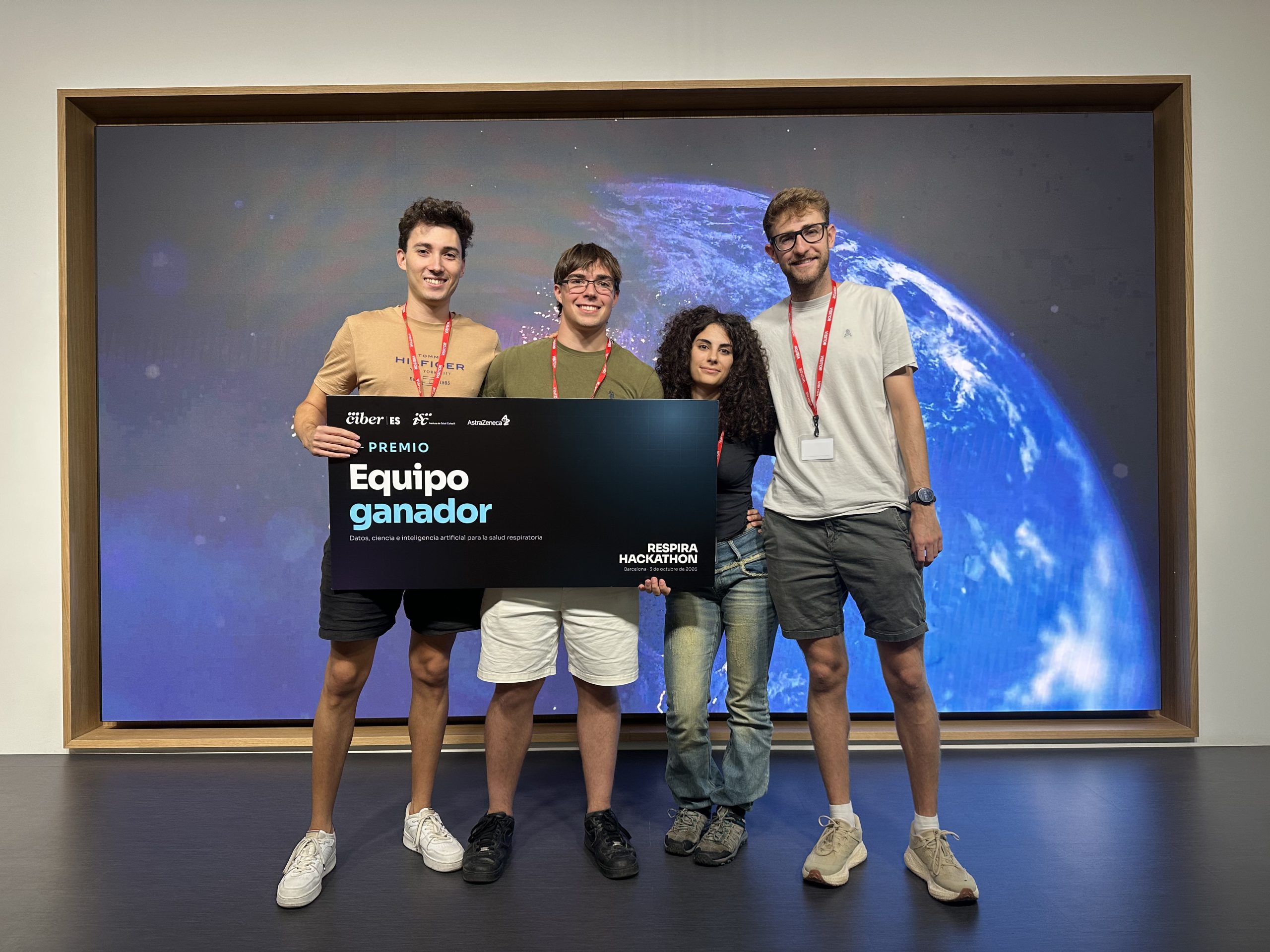
Last week, lab members Roger Casals and Ian Carbó, together with Mireia Navarro and Gabriel Ruiz, took part in the Respira Hackathon, held in person from October 1 to 3, 2026, at AstraZeneca’s Estel building (Av. Roma 81, Barcelona), where their project received the award for the COVID-19 challenge. Both Roger and Gabriel are PhD candidates in the interuniversity PhD programme in Bioinformatics at UVic-UCC: Roger is supervised by Jordi Villà-Freixa and Adrián López García de Lomana, and Gabriel by Mireia Olivella.

The four team members holding the Respira Hackathon winning team sign
Gabriel Ruiz, Ian Carbó, Mireia Navarro and Roger Casals with the winning team award at the Respira Hackathon.

Respira was the first international CIBER hackathon on respiratory diseases. It was jointly organized by CIBERES, the Spanish biomedical research network on respiratory diseases (part of the Instituto de Salud Carlos III and the Spanish Ministry of Science, Innovation and Universities), and AstraZeneca. The Facultat d’Informàtica de Barcelona (UPC) and the Barcelona Supercomputing Center (BSC-CNS) collaborated in the organization, providing their expertise and advanced computing capacity, with further support from the Universitat de Barcelona and Kunsen. For 48 hours, teams of up to four people with diverse backgrounds worked on real clinical problems, guided by experts in respiratory medicine, genetics, immunology and bioinformatics, before presenting their solutions to a jury.

The event proposed four challenges, each framed from both a health and a technology perspective:

  • Pulmonary fibrosis: finding a simple molecular signature, measured at the diagnosis of interstitial lung abnormalities, that identifies the patients most likely to progress to idiopathic pulmonary fibrosis, using clinical variables and serum levels of around 3,000 proteins.
  • COPD: automatically extracting subtle structural changes from CT scans and combining them with clinical and molecular data to detect early lung damage before the disease can be diagnosed by spirometry.
  • Severe asthma: designing an AI-based “digital twin” of the patient to simulate treatment strategies with biologic therapies and anticipate their outcomes.
  • COVID-19 and other respiratory viruses: turning clinical, functional, radiological and follow-up data into a map of patient profiles that recover in similar ways after a severe respiratory infection.
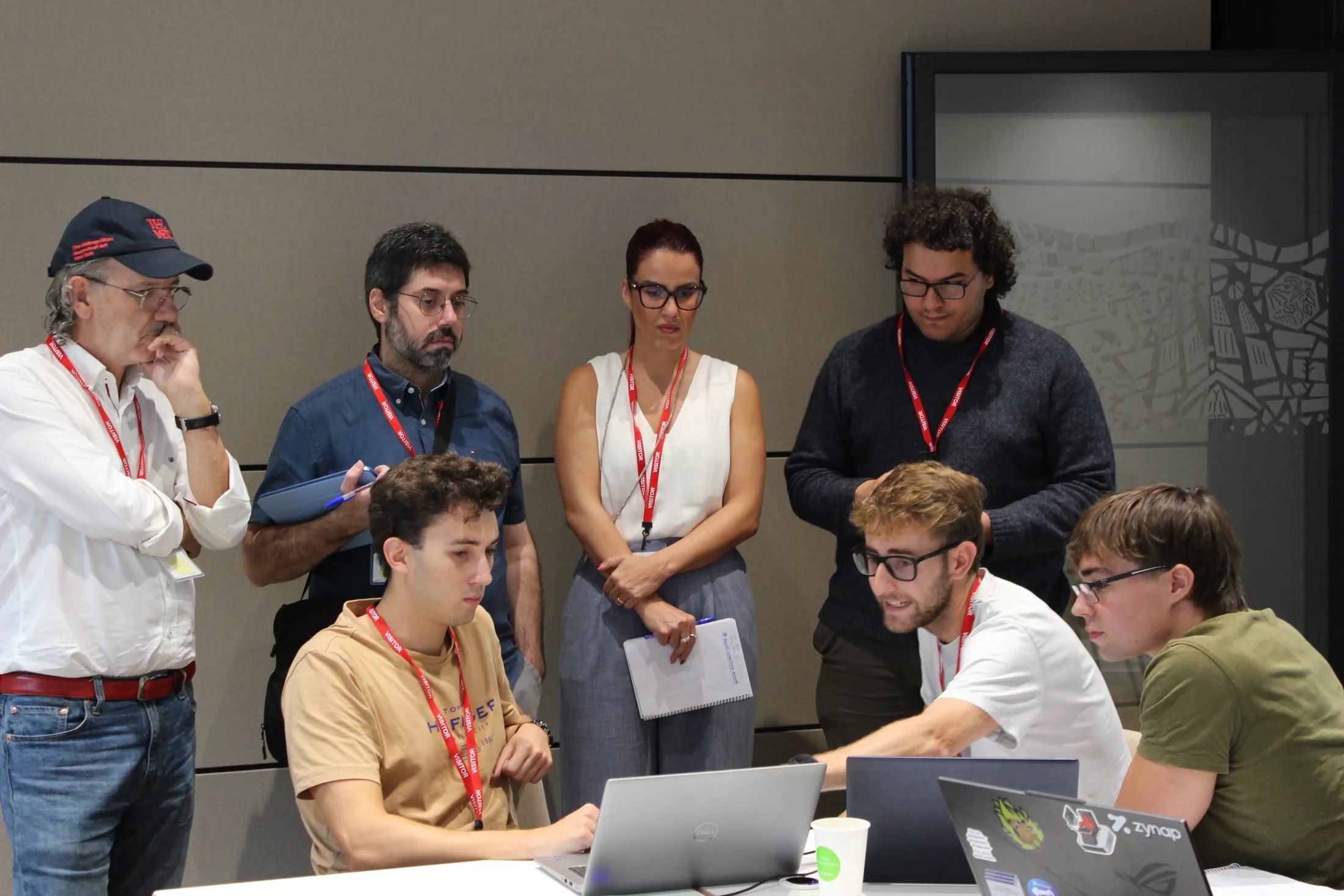
Team members working on a laptop while mentors look on and discuss
The team discussing their approach with mentors during the hackathon. Photo: Respira Hackathon.

Our team took on the COVID-19 challenge, which focused on the long-term after-effects of COVID-19 and other severe hospital stays, including intensive care (ICU), using patient datasets collected by different hospitals. After a severe respiratory infection, some patients recover fully, while others suffer for months or years from breathlessness, fatigue, memory problems or muscle weakness. Current classifications often lump together people with very different needs, so finding reproducible, clinically meaningful patient profiles is a first step towards more personalized care.

Drawing on their multidisciplinary expertise, the team developed a solution that connects data science and clinical practice, a link between the two fields that is both urgent and much needed. Their proposal, “Early Prediction of Post-COVID-19 Clinical Follow-Up Need: A Tool for Clinicians,” is a two-stage hierarchical Bayesian model that accounts for differences between hospitals. It was validated on later patients and on hospitals the model had never seen.

The jury awarded the team first prize in the COVID-19 challenge, shared ex aequo with the team “ResFen.”

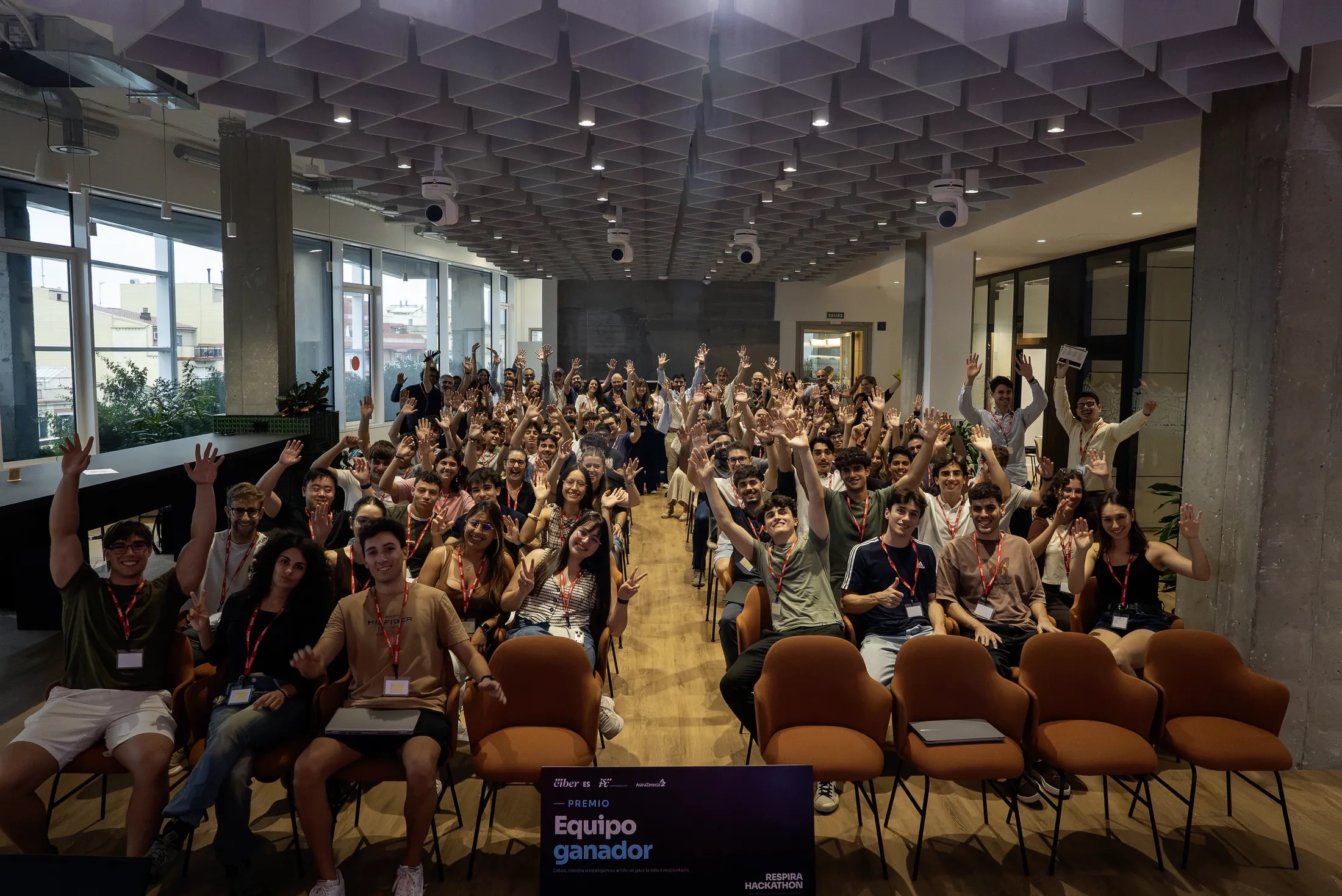
Group photo of all Respira Hackathon participants raising their hands
All the participants of the first Respira Hackathon. Photo: Respira Hackathon.

Congratulations to the whole team and the rest of participants!

Go to Top