From reflection to action: InterHEd celebrates its Final Conference in Kraków
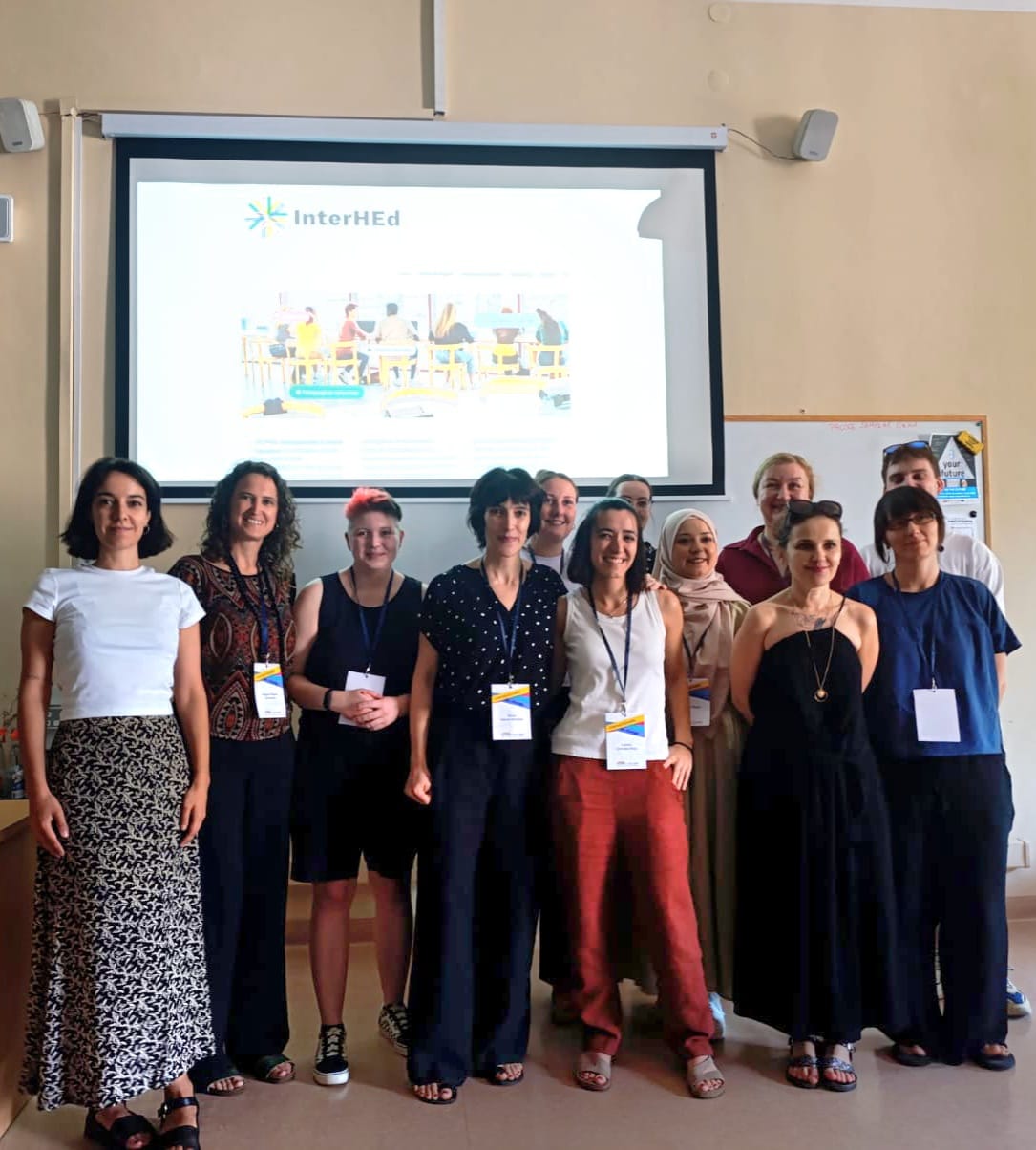
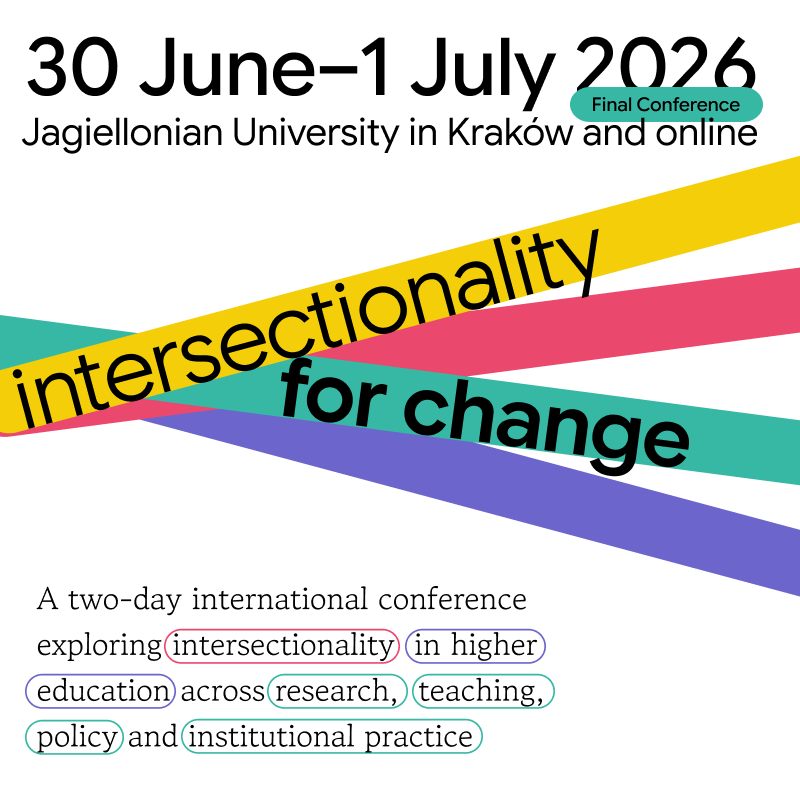
After three years of collaboration, the InterHEd (Intersectionality in Higher Education) project celebrated its Final Conference on 30 June and 1 July 2026 at Jagiellonian University (Kraków, Poland). The event brought together researchers, educators, students, higher education professionals, policymakers and associated partners from across Europe to reflect on how intersectionality can contribute to more equitable, inclusive and socially just universities.
Hosted by Jagiellonian University, the conference marked the culmination of a collaborative journey involving the project’s three partner universities—University of Vic – Central University of Catalonia (project coordinator), Jagiellonian University, and Technische Universität Dortmund—together with a wide network of associated partners who have contributed throughout the project.
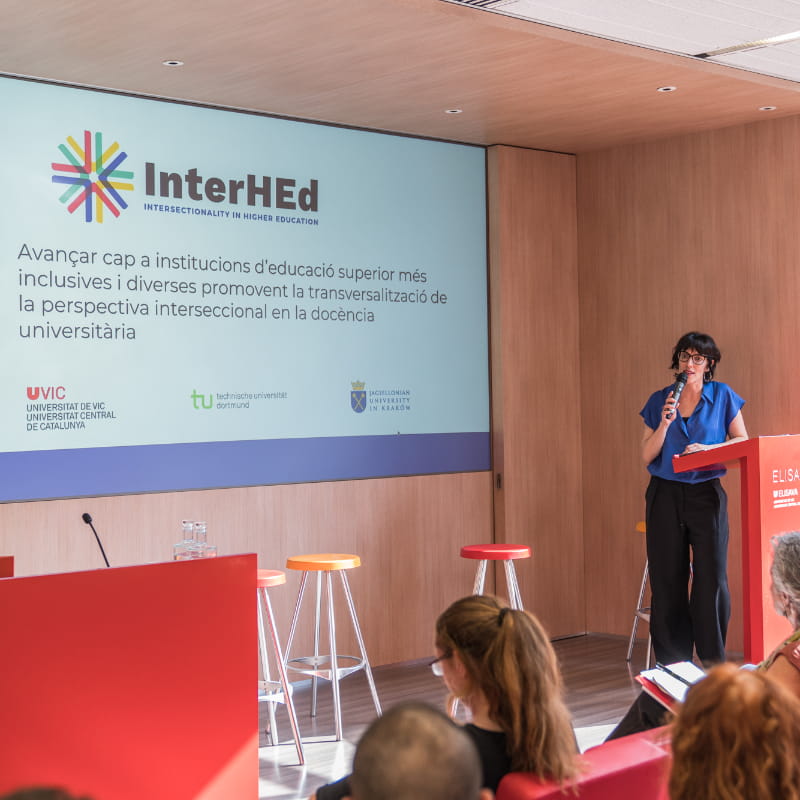
Over two days, participants explored the methodological, pedagogical, epistemological and institutional challenges of implementing intersectionality in higher education through keynote lectures, paper presentations, panel discussions and interactive sessions. The conference also provided a valuable space to exchange experiences across different national and institutional contexts, highlighting both shared challenges and innovative practices.
The programme featured three keynote lectures that offered inspiring perspectives on some of the most pressing debates surrounding intersectionality in higher education:
- Practising Intersectionality Still: Class, Queerness and the Politics of Higher Education in Crisis Time, delivered by Yvette Taylor, explored intersectionality as a methodology, a pedagogical practice and a catalyst for institutional transformation.
- In Blackness and Anti-Blackness in Polish Education. An Intersectional Discourse Perspective , Margaret Ohia-Nowak examined how Blackness and anti-Blackness are constructed within the Polish education system through an intersectional discourse perspective.
- Mapping the Intersections: From Statistics to Lived Experience, presented by Anne-Laure Humbert, showcased methodological approaches for investigating inequalities and bridging quantitative evidence with lived experiences in higher education.
A central focus of the conference was the presentation of the main outcomes of the InterHEd project. Researchers from the partner universities shared findings from collaborative work with students and academic staff, examining how intersecting inequalities shape experiences in higher education and identifying strategies for institutional change.
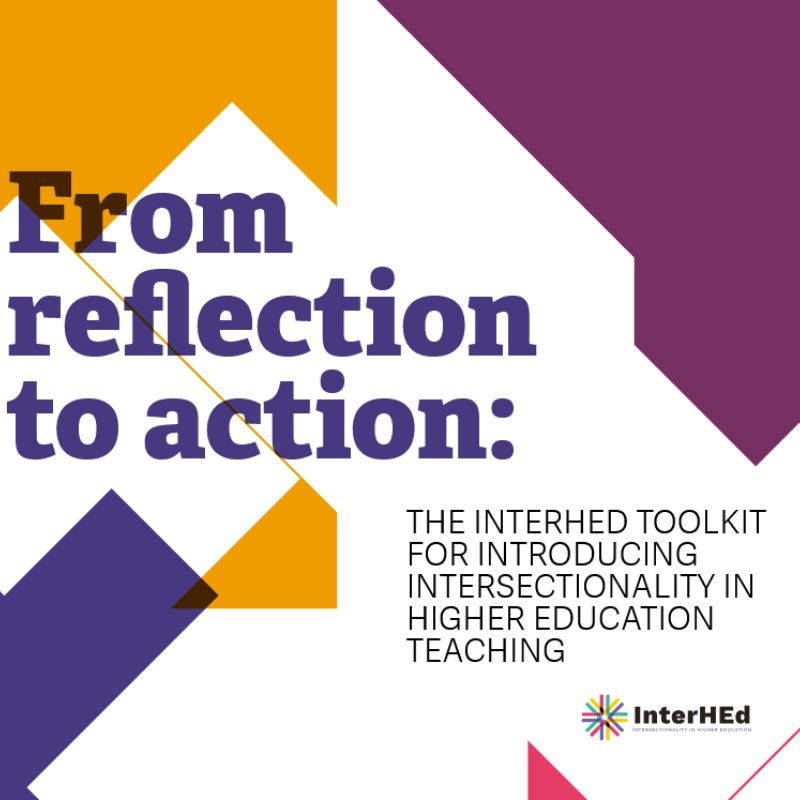
Among the project’s flagship outputs, participants had the opportunity to explore the InterHEd Toolkit From reflection to action: The InterHEd Toolkit for Introducing Intersectionality in Higher Education Teaching, an educational resource designed to support educators and higher education institutions in embedding intersectionality into teaching, learning and institutional practices. The conference also featured sessions bringing together the project’s associated partners and sister projects, creating a space to exchange experiences, discuss challenges and reflect on how intersectionality can be translated into institutional policies and everyday practices across diverse higher education contexts.
Beyond showcasing project results, the Final Conference became a vibrant forum for dialogue, collaboration and knowledge exchange, demonstrating the value of working across institutions, disciplines and countries. Through presentations, discussions and networking opportunities, participants collectively reflected on the transformative potential of intersectionality as both an analytical framework and a practical approach for creating more inclusive, equitable and socially responsible higher education institutions.
The InterHEd consortium would like to warmly thank everyone who contributed to making the conference such a meaningful and inspiring event: our keynote speakers, presenters, participants, associated partners, sister projects and, especially, the team at Jagiellonian University for their work in hosting and organising the conference.
While the Final Conference marks the culmination of the InterHEd project, it also reinforces a growing international community committed to advancing intersectionality in higher education. The conversations, collaborations and resources developed throughout the project will continue to inspire research, teaching and institutional change well beyond its official lifetime.