

Authors: Ignasi Barba i Cristina Cruz.
Funding: This research received no external funding.
DOI: https://doi.org/10.3390/metabo16010075
Keywords: cancer, tumour microenvironment, lactic acid, lactate, Warburg effect, immune function.
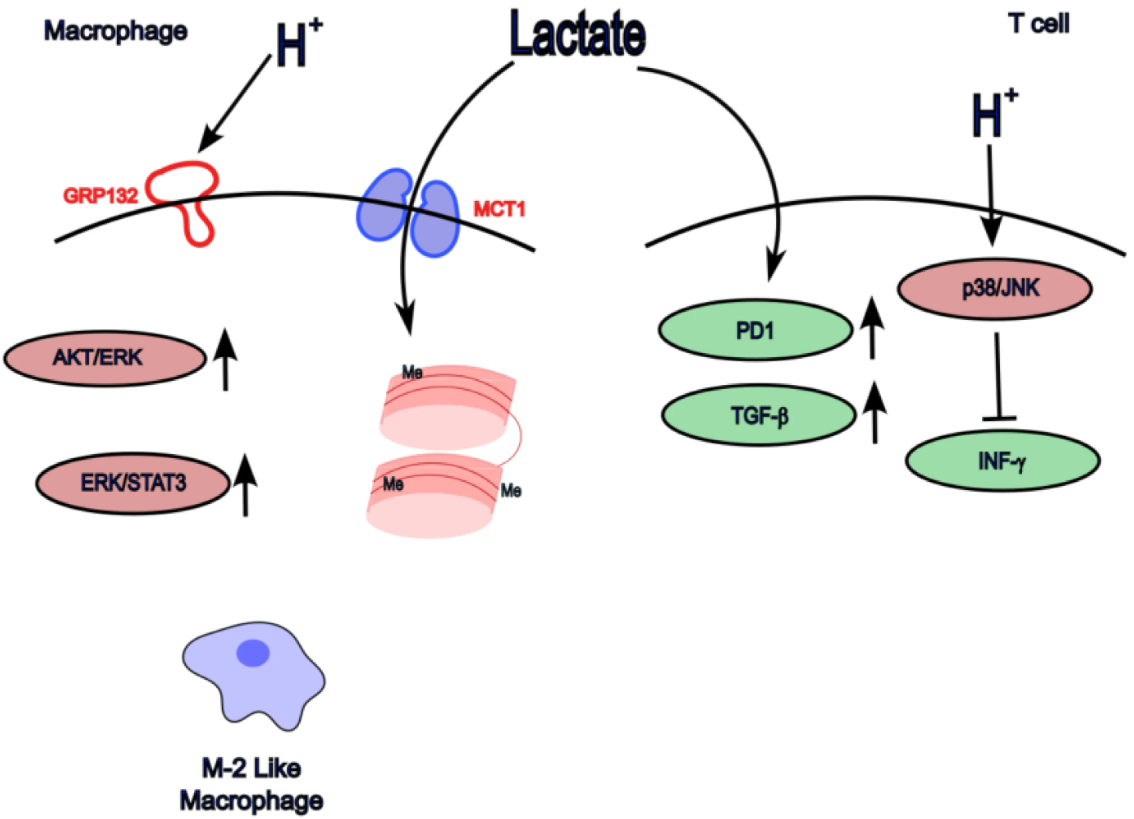
Once regarded merely as a metabolic waste product, lactate is now recognized as a central player in cancer biology. Tumour cells can exploit lactate as an efficient energy source via mitochondrial oxidative phosphorylation (OXPHOS) and can induce stromal cells to enhance its production, fostering a metabolically supportive microenvironment. Beyond its metabolic role, lactic acid functions as a signalling molecule—acting through receptors such as GPR81 or via direct protein lactylation—to drive immunosuppression, promote metastasis, and modulate diverse aspects of tumour progression.
Therapeutic strategies aimed at reducing lactate abundance or its downstream effects in the TME are gaining traction. Approaches include inhibiting lactate production, disrupting its transport, or targeting lactate-mediated signalling pathways. In parallel, lactate is being investigated as a prognostic biomarker and a potential indicator of treatment response, offering both mechanistic insights and clinical utility in oncology.









Leave A Comment