Strengthening Collaboration and Advancing Intersectionality in Higher Education at TU Dortmund University
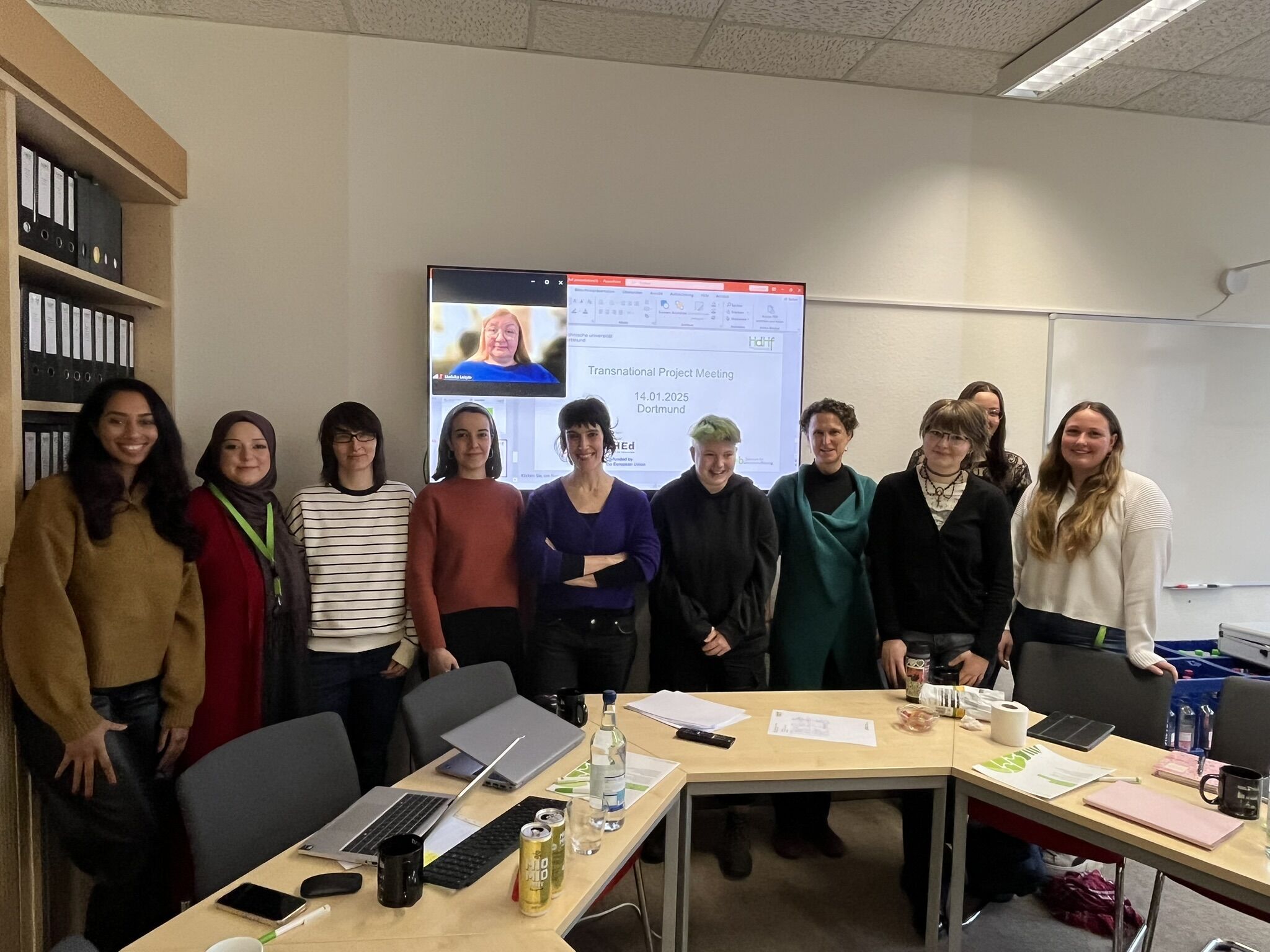
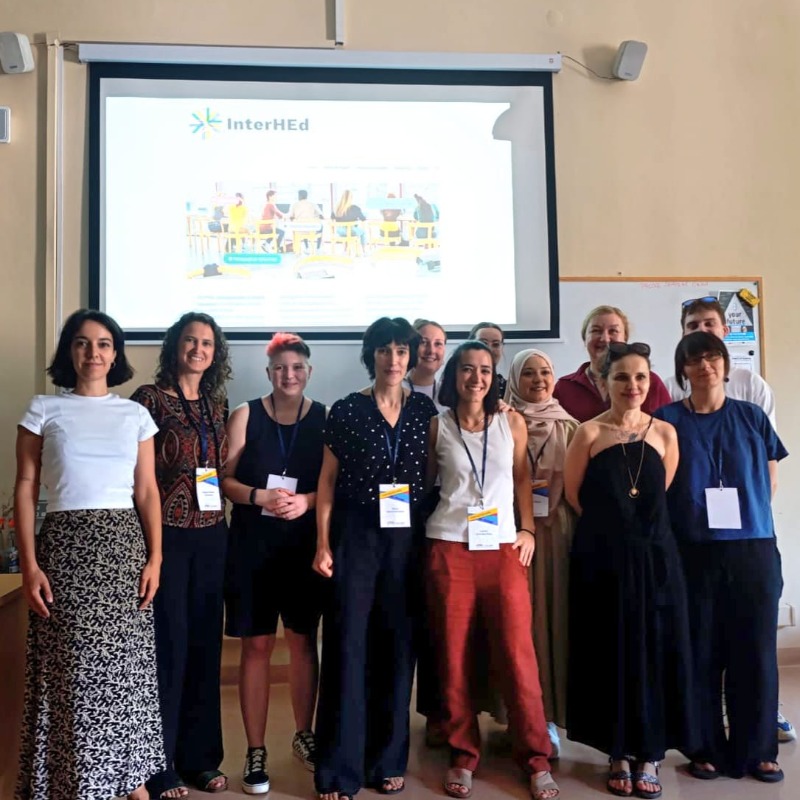
From January 12–14, 2026, the InterHEd Consortium gathered in Dortmund for a combined Capacity-Building Internal Training (CBIT) and Transnational Project Meeting (TPM), hosted by the Professorship of Higher Education (HdHf) at TU Dortmund University.
These joint meetings play a key role in fostering collaboration across partner institutions, supporting the continuous development of project outputs, and ensuring alignment on upcoming milestones. At the same time, they provide a dedicated space for in-depth exchange on how intersectionality can be further embedded within higher education systems across different national contexts.
Over the course of three intensive and productive days, project partners engaged in a dynamic programme combining input sessions, collaborative workshops, and strategic discussions. Participants from TU Dortmund University, Jagiellonian University in Kraków, and the University of Vic had the opportunity to reflect on previous project phases and collectively shape the next steps of the InterHEd project.
A central component of the training was the hands-on engagement with the Relief Maps Tool, allowing participants to further explore its application as a method for analysing inequalities and experiences within higher education. In addition, the programme was enriched by input sessions from the projects INTERSECT and DiveHack. These sessions highlighted collaborative approaches with institutional stakeholders, including the Equal Opportunities Office at TU Dortmund University and various university departments, and provided valuable insights into innovative practices for addressing intersectionality in academic contexts.
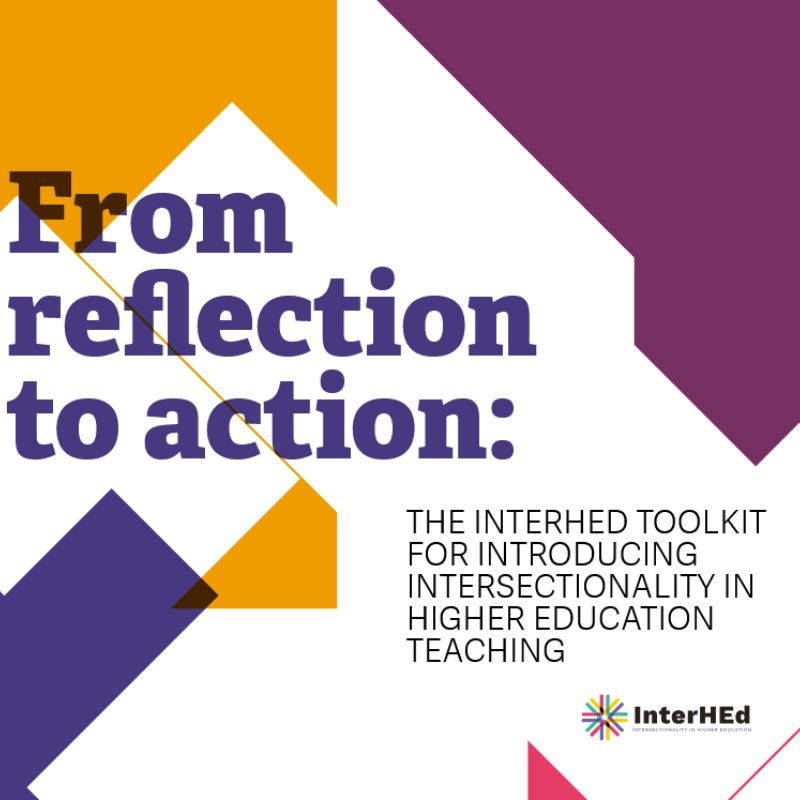
The meeting also focused on identifying needs and gaps in intersectionality in higher education, forming an important basis for the ongoing development of the InterHEd Toolkit. Partners discussed evaluation strategies, dissemination activities, and the next steps for refining this key project output.
Building on previous pilot phases, participants reflected on the results of both student and teacher trainings, using these insights to further develop and adapt future training formats tailored to different target groups.
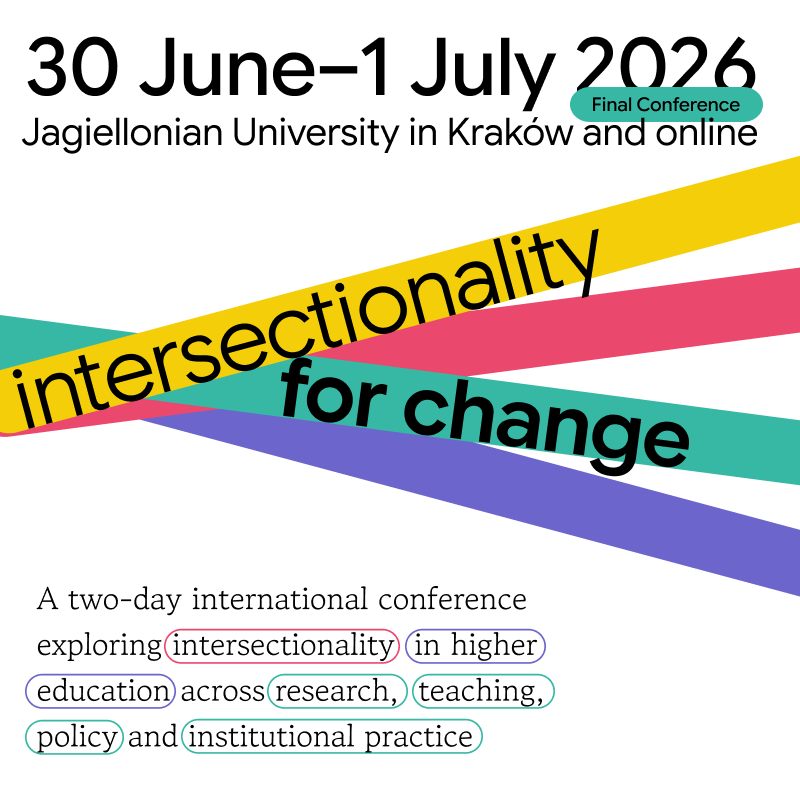
In addition, the consortium addressed several strategic aspects of the project’s upcoming phase. These included the planning of stakeholder events and meetings, the structure of the final report, and the organisation of National Multiplier Events in terms of formats, content, and timelines. Initial ideas for the final conference were also discussed, including its thematic focus, target audiences, and dissemination strategies.
Overall, the CBIT and TPM in Dortmund reinforced the consortium’s shared commitment to advancing intersectionality in higher education through collaborative learning, practical tools, and innovative training approaches. By bringing together diverse perspectives and institutional experiences, the meeting contributed significantly to shaping the next phase of the InterHEd project.
Stay tuned for further updates as we continue working towards more inclusive and intersectionality-informed higher education systems.