Conference Highlights
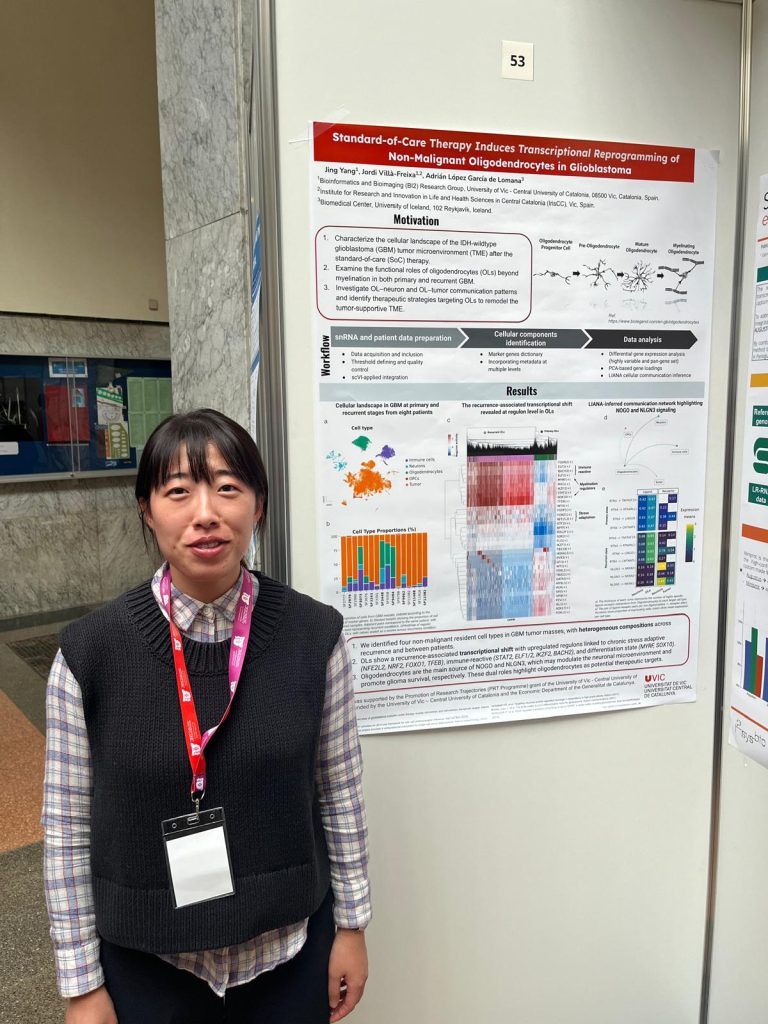
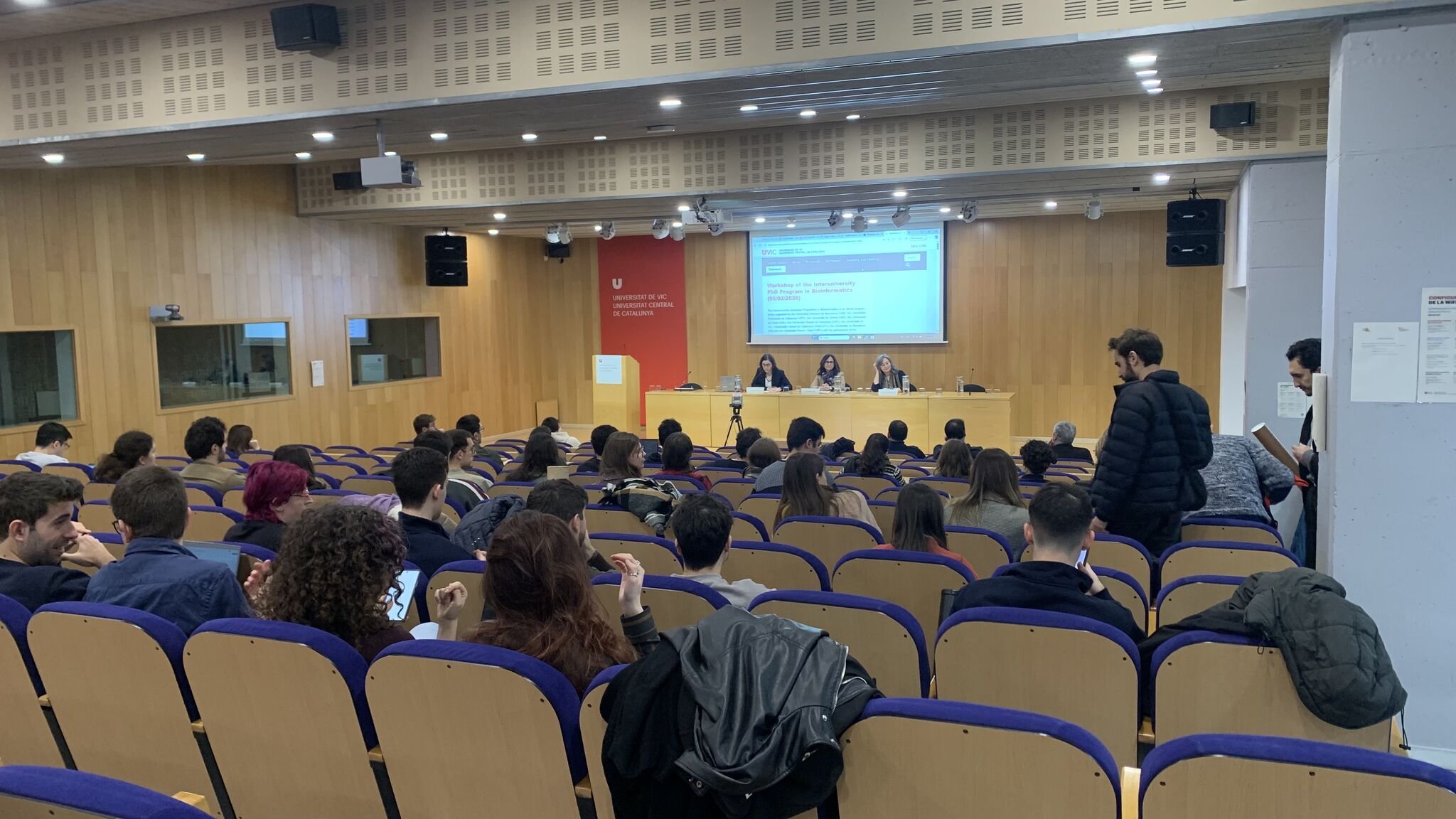
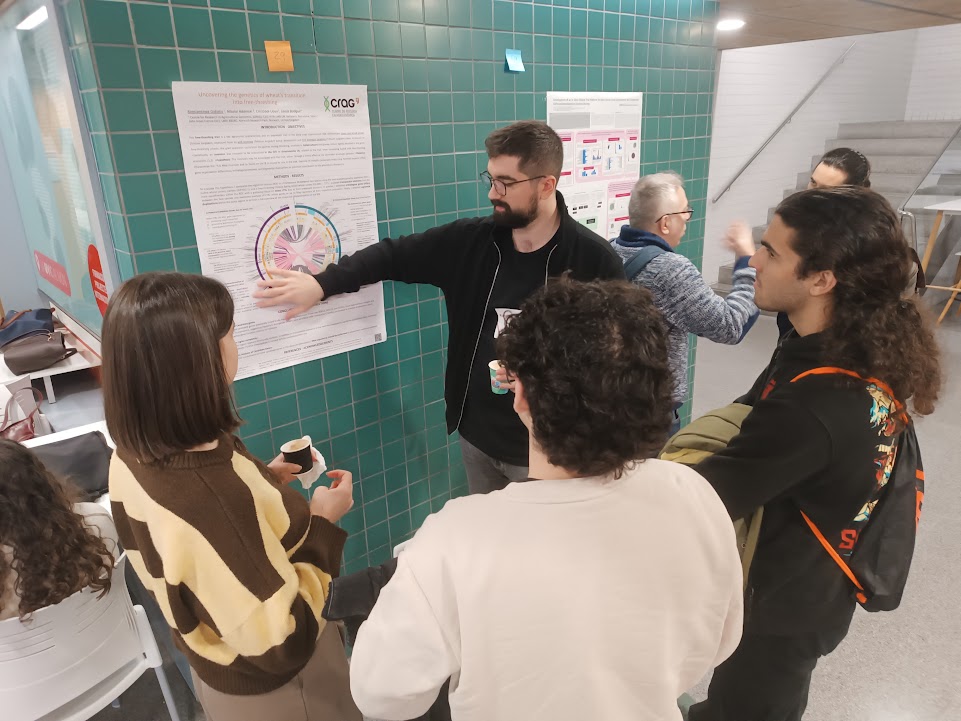
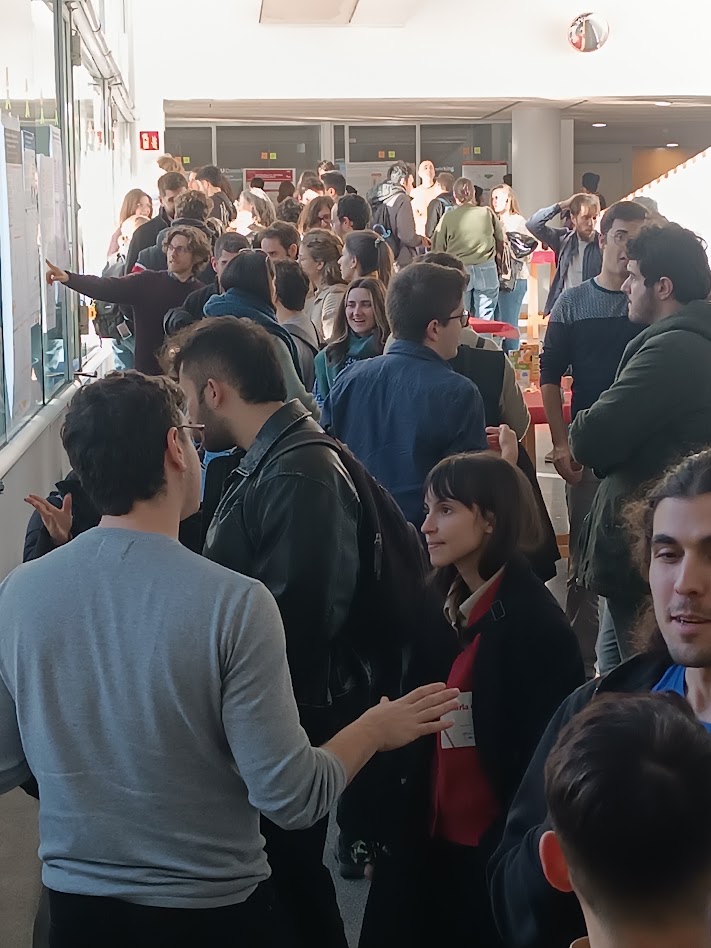
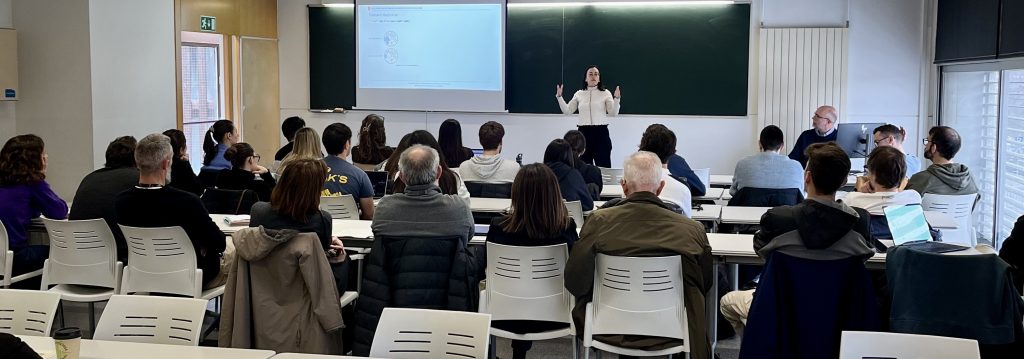
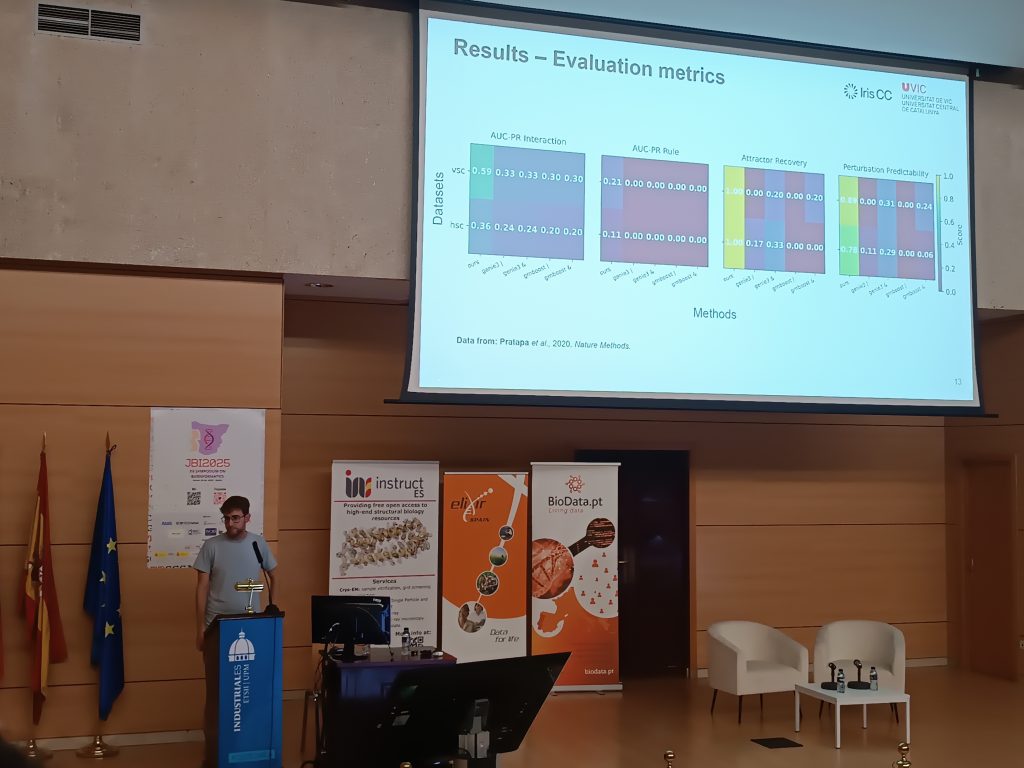
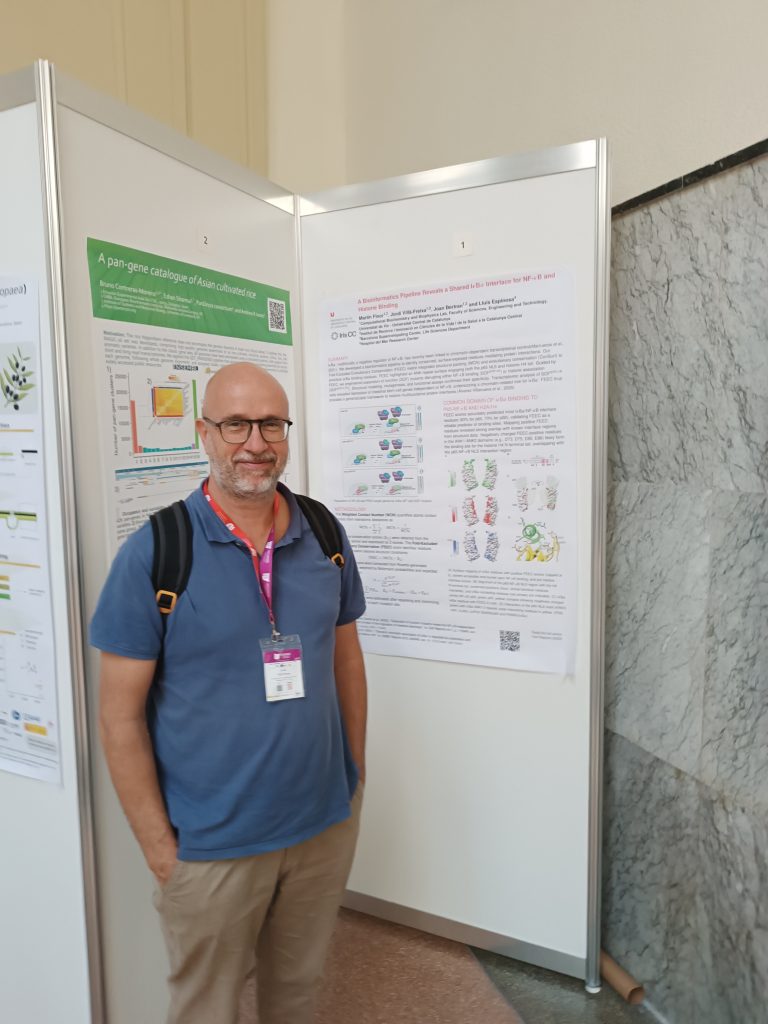
Last Friday, February 6, UVic-UCC hosted the annual conference of the Interuniversity PhD Program in Bioinformatics. The program includes students from eight Catalan universities (UAB, UB, UOC, UPC, UdL, URV, UdG, and UVic-UCC) and is promoted by the Bioinformatics Barcelona association. This event—highly relevant within the program and previously held at our university in 2023—allows students from all participating universities to present their research in a scientific conference format. This year, close to one hundred submissions were received. Of these, eight were selected for oral presentations, while the remainder were presented as posters. The conference also featured two invited talks. Dr. Elisenda Bonet-Carne, CEO and co-founder of FetalLife, SL, presented the company’s research, which focuses on developing equipment for the care of premature infants. Dr. Eduard Ocaña, Ramón y Cajal researcher at the Universitat Oberta de Catalunya, presented results from his studies on the origin of eukaryotes.
Organization, Support, and the Role of Bioinformatics
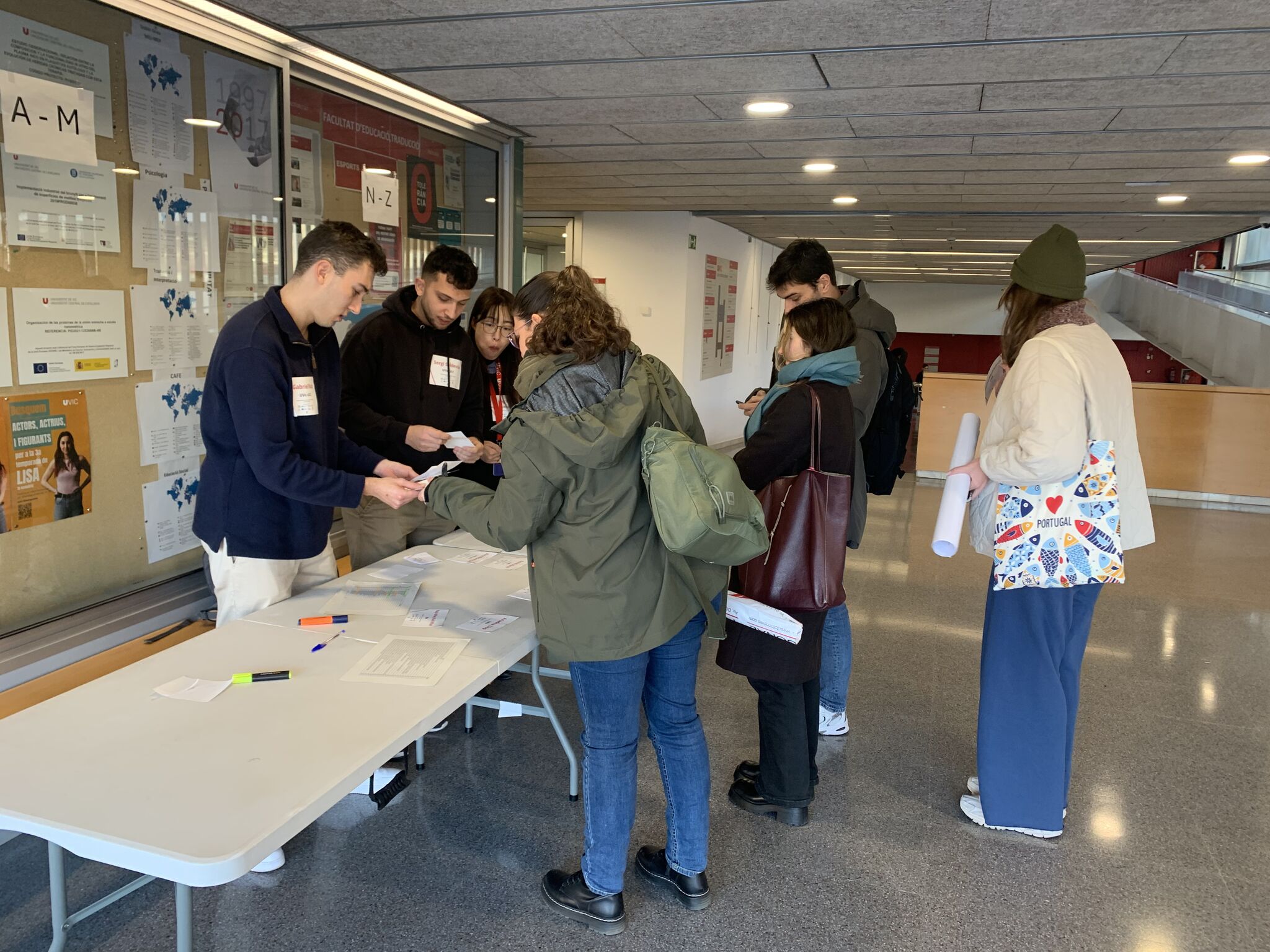
The conference received financial support from the Doctoral Schools of UVic-UCC and UAB, as well as from IRIS-CC through its Bioinformatics and Bioimaging Research Area (ARBB). It was organized by the program’s local node, coordinated by Jordi Villà i Freixa in collaboration with the academic committee of the doctoral program and a technical secretariat formed by PhD students Roger Casals, Gabriel Ruiz, Sergi Soldevila, and Jing Yang, together with FCTE administrative staff member Yolanda Tristancho. The conference was inaugurated by the program coordinator, Dr. Margarida Julià-Sapé (UAB), alongside the Director of the UVic-UCC Doctoral School, Dr. Marta Otero, and the Dean of the FCTE and coordinator of BI-SQUARED, Dr. Malu Calle.
Bioinformatics focuses on studying living systems through the analysis of biological data and, often, through computational simulation. Research in this field has grown exponentially over recent decades as increasingly efficient techniques have been developed to generate experimental genomic, transcriptomic, proteomic, metabolomic, and other types of data. Bioinformatics sits at the intersection of mathematics, statistics, physics, chemistry, biology, medicine, and computer science, aiming to describe life quantitatively and to predict outcomes within its immense complexity.
As Dean Calle recalled at the opening of the conference, these days mark the 25th anniversary of the publication—through two articles in Science and Nature by a public consortium and a private consortium—of the first complete draft of the human genome, a milestone that opened a new era in bioinformatics research. Over the last decade, advances in machine learning and artificial intelligence applied to bioinformatics have provided exceptional momentum, enabling increasingly ambitious exploration of the life sciences and the development of biotechnology in all its dimensions.
Program Outlook and Future Challenges
This interuniversity PhD program builds on the high-level master’s degrees offered by Catalan universities, particularly the MSc in Omics Data Analysis offered by the FCTE, and positions our country as an international reference center in bioinformatics. As emphasized by Dr. Marta Otero, the program’s main future challenges include consolidating the excellence of the theses developed within it while also increasing enrollment.
This will require greater internationalization by seeking global alliances to compete for European funding to finance predoctoral contracts and by promoting mobility stays for current PhD candidates. It will also involve encouraging thesis projects aimed at addressing emerging challenges through interdisciplinary co-supervision, and boosting the development of theses with an industrial doctorate distinction to accelerate the program’s social and economic impact.
 and
and