The CBBL Organizes an Update Workshop on Omics Data Analysis at the UVic-UCC

Posted by 19 de December de 2025

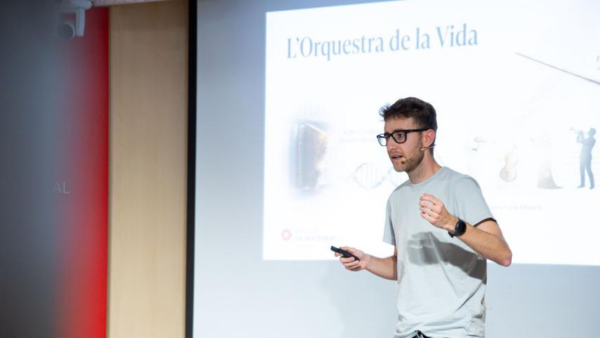
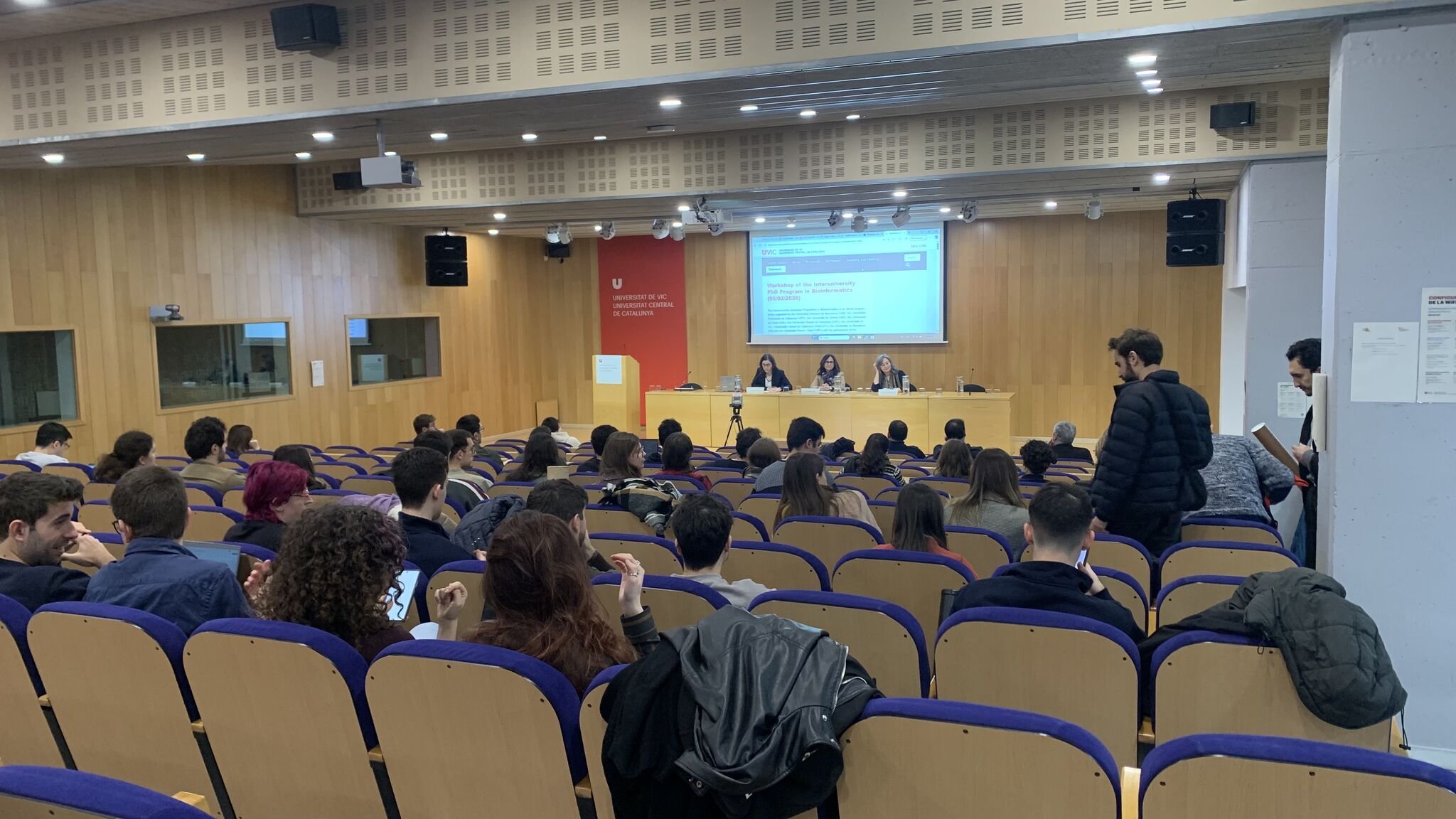
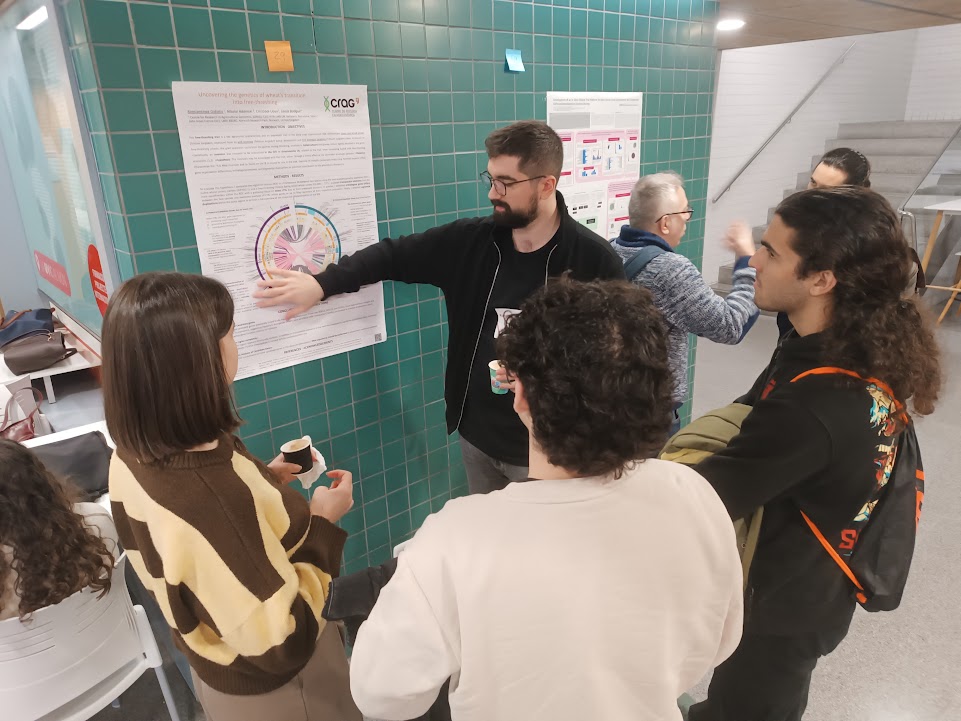
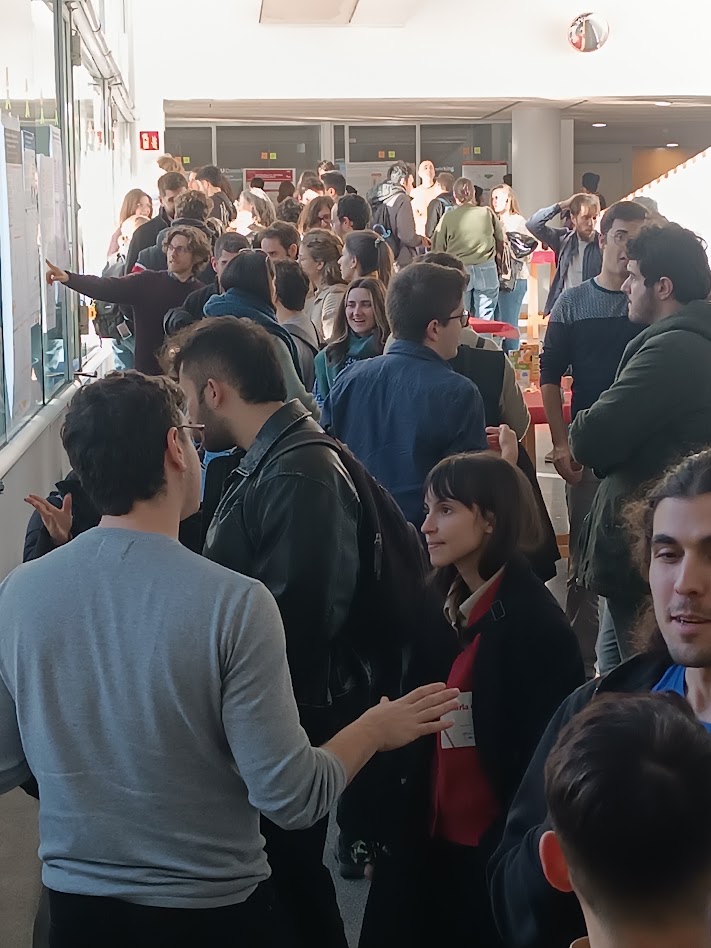
The Computational Biochemistry and Biophysics Laboratory (CBBL), part of the Bioinformatics and Bioimaging Research Group (Bi-Squared) at the University of Vic – Central University of Catalonia (UVic-UCC), in collaboration with the Central Catalonia Institute for Health Research (IRIS-CC), organized the workshop “Update in Omics Data Analysis: genome structure, metagenomics and gene regulation”. The session provided a forum to discuss and review recent developments in omics data analysis, aimed at researchers, students, and professionals in the field.

Held shortly before Christmas at the Torre dels Frares Campus in Vic, the event brought together postdoctoral researchers who presented and discussed recent advances in key areas of bioinformatics, including genome structure, metagenomics, and gene regulation using large-scale omics datasets. The workshop concluded with a round-table discussion that encouraged dialogue on emerging challenges and future directions in biological data analysis.

The program featured presentations by:

This workshop aligns with IRIS-CC’s outreach and training initiatives and supports scientific exchange and skills development within the bioinformatics and bioimaging research community.

For more information, please visit the event webpage: Update in Omics Data Analysis: genome structure, metagenomics and gene regulation.

Roger Casals presents his doctoral research at scverse 2025

Posted by 1 de December de 2025

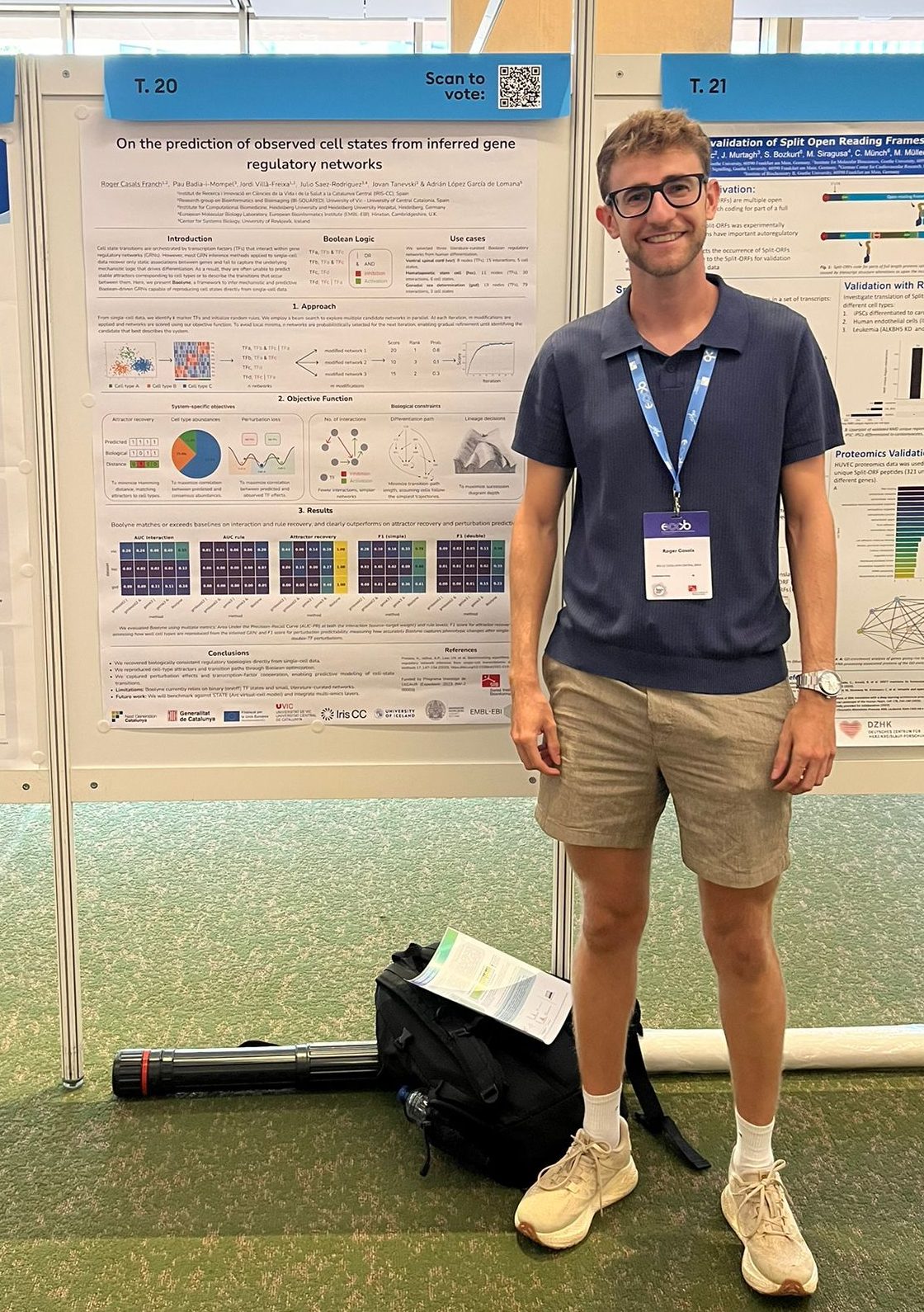
Last November, Roger Casals, PhD candidate at the Computational Biochemistry and Biophysics Lab (CBBL), travelled to Stanford University to take part in scverse 2025, one of the key gatherings for the single-cell and multi-omics community.

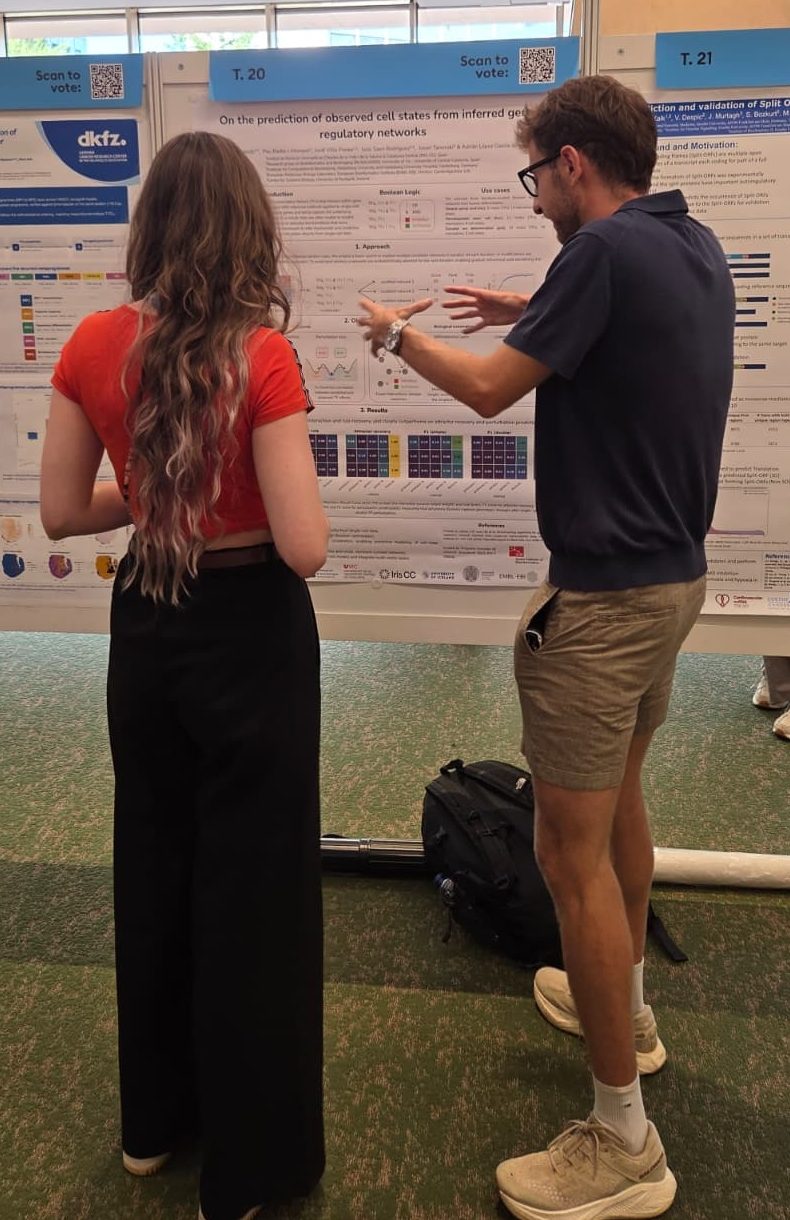
During the conference, Roger presented a poster with some of the latest results from his PhD. His project focuses on building gene regulatory networks from single-cell data to understand cell state transitions, a line of work that is becoming increasingly important as we try to make sense of complex biological systems.

Beyond the science, the conference gave Roger the chance to meet many members of the scverse community, discuss ideas in person, and learn from researchers developing cutting-edge tools. Topics like agentic AI and virtual cell models were especially exciting, forecasting us where the field is heading.

Roger’s participation was possible thanks to a travel grant from the conference, along with support from the Department of Biosciences (FCTE), the BI-Squared Group, and IRIS-CC.


The CBBL at the JBI2025

Posted by 24 de October de 2025

The CBBL was present in the XV Bioinformatics Symposium (JBI2025), that took place in Madrid on October 22nd-24th, hosted by the CNB/CSIC. The lab presented results on three research projects:

    • Topics Session #4 Single-Cell Omics. Talk by Roger Casals on “Mechanistic inference of cell state transitions via Boolean GRNs from single-cell data” Roger Casals Franch, Pau Badia-i-Mompel, Jordi Villà-Freixa, Julio Saez-Rodriguez, Jovan Tanevski, and Adrián López García de Lomana;

    • “A Bioinformatics Pipeline Reveals a Shared IκBα Interface for NF-κB and Histone Binding”, Martin Floor, Jordi Villà-Freixa, Joan Bertran and Lluís Espinosa; poster on the recent work published in Cell Reports; and
    • Standard-of-Care Therapy Induces Phenotypic Reprogramming of Non-Malignant Oligodendrocytes in Glioblastoma“, Jing Yang, Jordi Villà-Freixa and Adrián López García de Lomana.

PhD Student Nayanika Das Begins Research Visit at the University of Groningen

Posted by 10 de October de 2025

We are delighted to share that our PhD student Nayanika Das has embarked on a research visit to the laboratory of Prof. Gerard Roelfes at the University of Groningen, The Netherlands. This visit marks an exciting step forward in her doctoral work on understanding and optimizing the function of enzymes, this time for proteins containing artificial amino acids.

During her stay, Nayanika will collaborate closely with the Roelfes group to investigate the incorporation of the noncanonical amino acid para-aminophenylalanine (pAF) into the nonenzymatic protein scaffold LmrR. Remarkably, this modification transforms LmrR into a proficient and stereoselective artificial enzyme (LmrR_pAF) — an elegant example of how chemical innovation can endow proteins with entirely new catalytic functions.

Nayanika’s research will combine experimental validation in the laboratory with computational modeling efforts. Specifically, she will contribute to the development of an Empirical Valence Bond (EVB) model aimed at uncovering the molecular details of the mechanism of action of pAF in the reactions catalyzed by LmrR_pAF. By integrating theoretical and experimental approaches, her work will help elucidate how artificial amino acids expand the functional landscape of proteins and open new avenues for biocatalysis and synthetic biology.

We wish Nayanika a productive and inspiring stay in Groningen and look forward to the exciting results that will emerge from this collaboration with the Roelfes Lab.

Lab members participate in an article to uncover the hidden role of key inflammatory protein in stem cell function

Posted by 22 de July de 2025

In a recent article (1), the lab, including our colleague at the UVic-UCC Joan Bertran Comulada, has contributed to characterize how a well-known immune regulator, IκBα, has a surprising second role in the cell — one that could open new doors for understanding and treating inflammation, cancer, and tissue regeneration.

For decades, IκBα has been recognized as the main “off switch” of the NF-κB pathway, a critical system that controls inflammation and immune responses. Some years ago, the lab contributed to an article (2) by the team of Lluís Espinosa and coworkers at the IMIM/UPF revealing that IκBα also works inside the cell nucleus, where it interacts with DNA and chromatin to regulate genes that control stem cell identity and differentiation.

Using an innovative computational tool developed by Martin Floor while a PhD student in the CBBL, called the Fold-Excluded Evolutionary Conservation (FEEC) metric, we identified the exact regions of the protein responsible for each activity. In the study, the researchers looked not only at which parts of the protein are conserved across species, but also at how each residue fits within the protein’s 3D structure. By comparing evolutionary conservation with structural packing, they identified positions that are more conserved than expected based on their structural role. These positions may have additional regulatory or interaction functions, beyond simply maintaining the protein’s stability.

Having identified specific residues responsible for each activity prompted the creation, in this new research, of separation-of-function (SOF) mutants — engineered versions of IκBα that can perform either its traditional NF-κB–related function or its newly discovered chromatin-related one, but not both.

Figure 1 A common domain of IκBα is required for p65-NF-κB and histone H4 binding (1)

The subsequent experimental validation by Espinosa’s lab showed that the chromatin-associated form of IκBα is essential in intestinal stem cells, for their ability to mature into specialized cell types. This effect is independent of IκBα’s inflammatory role, highlighting its distinct influence on gene regulation and tissue health.

These findings redefine IκBα as more than just an inflammation inhibitor — it is also a key epigenetic regulator linking environmental signals to gene expression. The newly developed SOF mutants offer powerful tools to explore IκBα’s dual roles in health and disease and may guide the development of targeted therapies that fine-tune inflammation and regeneration without unwanted side effects.

1) Separation-of-function mutants reveal the NF-κB-independent involvement of IκBα in the regulation of intestinal stemness
Álvarez-Villanueva, Daniel et al.
Cell Reports, Volume 44, Issue 7, 115949, 2025

2) Chromatin-Bound IκBα Regulates a Subset of Polycomb Target Genes in Differentiation and Cancer
Mulero, María Carmen et al.
Cancer Cell, Volume 24, Issue 2, 151 – 166, 2013

Nayanika Das Presents Advances in Enzyme Evolution at the SEB International Congress

Posted by 28 de June de 2025

PhD student Nayanika Das participated in the 18th International Congress of the Spanish Biophysical Society, held from June 24 to 27, 2025, at the Faculty of Chemistry of the Complutense University of Madrid. This event, organized by the Spanish Biophysical Society, brings together scientists from various disciplines and stages of their research careers to explore cutting-edge topics in the field of biophysics.

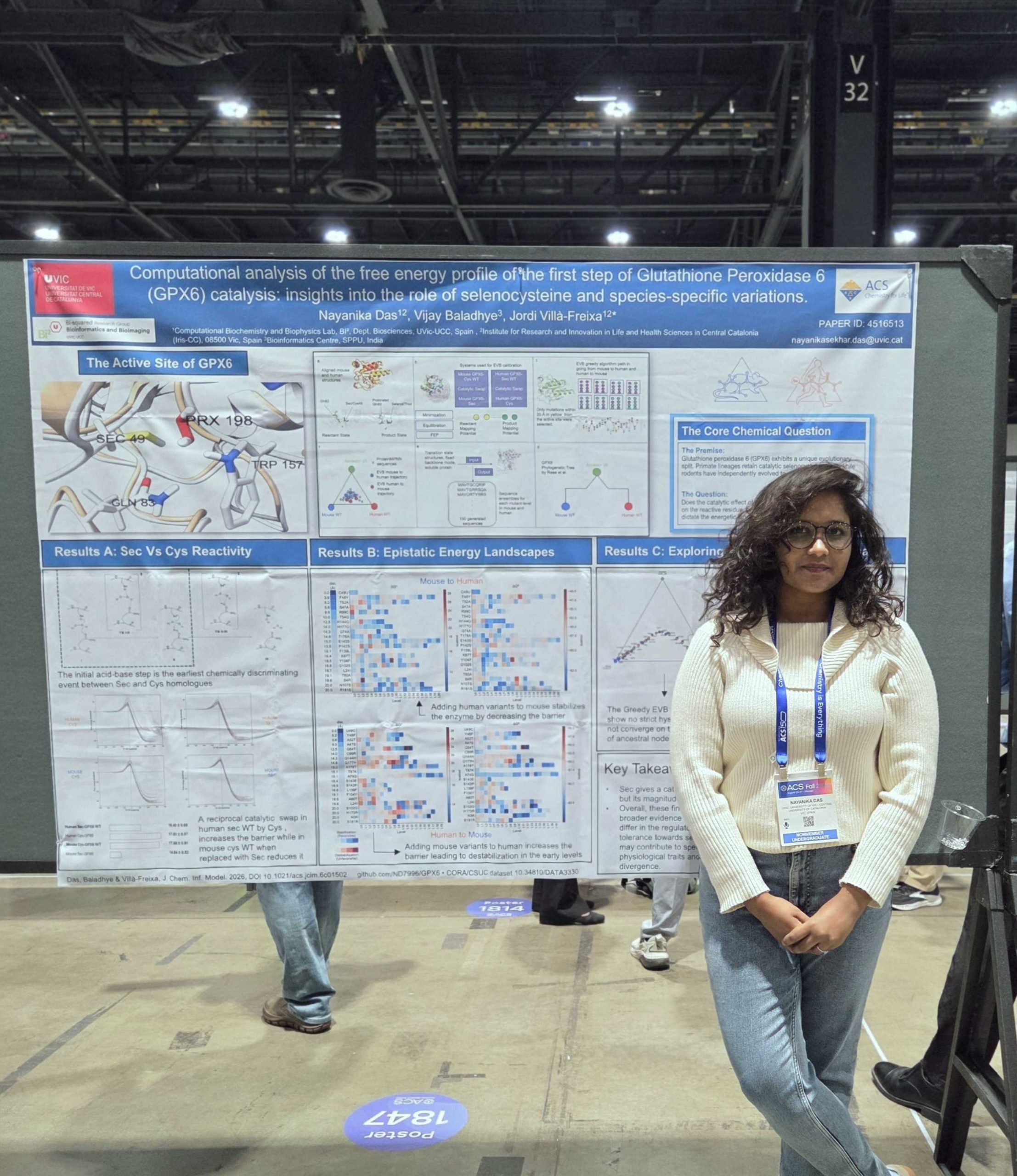
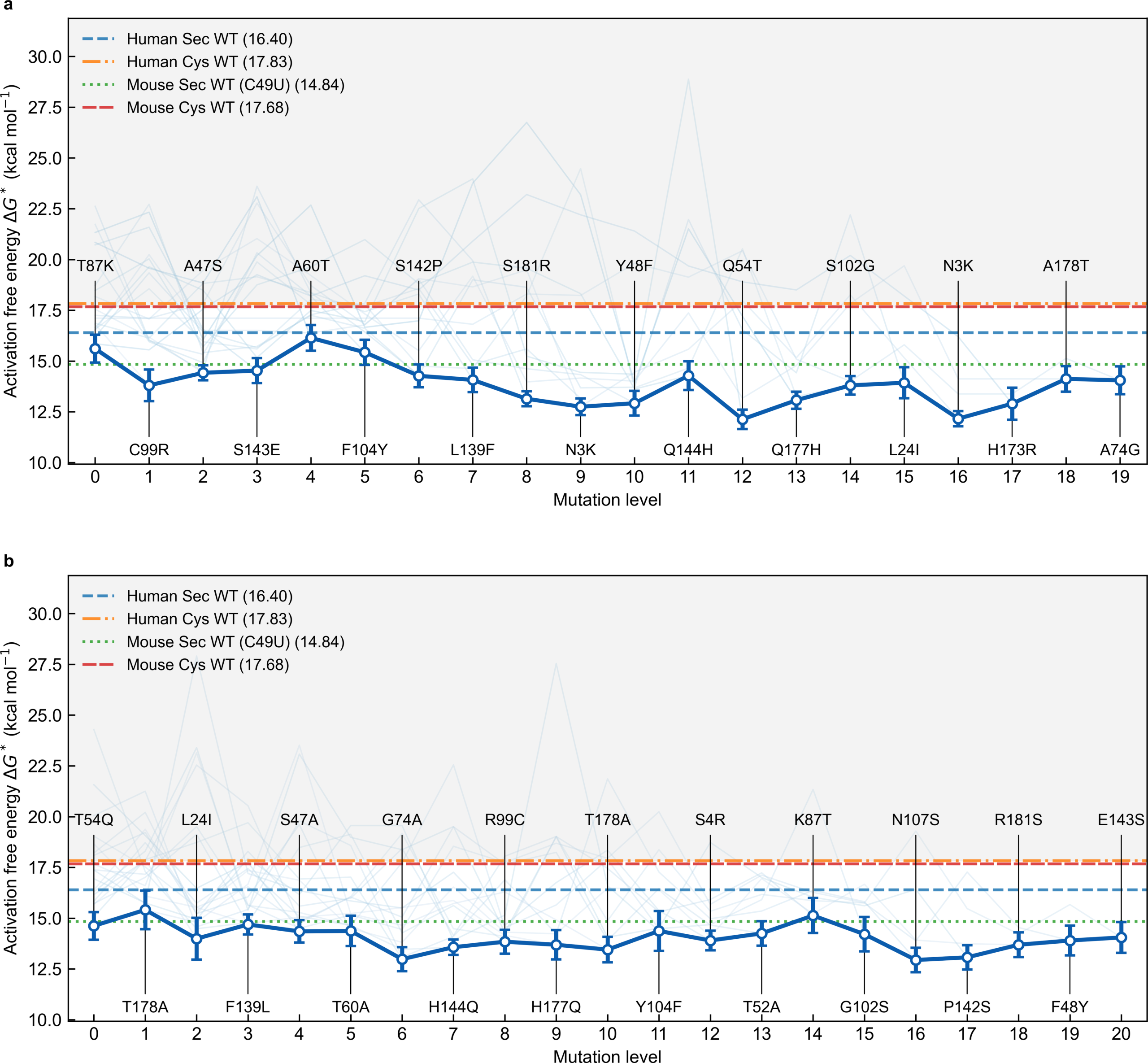
During the congress, Nayanika presented her results in poster format, entitled: “Exploring the Evolutionary Dynamics between GPX6 Orthologs and Comparing Their Catalytic Efficiency Using Empirical Valence Bond (EVB) Calculations.” Her work shows why the substitution of selenocysteine with cysteine in GPX6 significantly reduces catalytic efficiency, supporting the proposed mechanistic hypothesis, and it also extends the analysis to explore the energy landscape of cummulative mutations between Sec- and Cys- containing GPX6 proteins in nature. Thus, using a greedy algorithm, key mutations with lower activation barriers were identified that could stabilize the enzyme and offer an energetically favorable evolutionary path between homolog proteins.

New article on data analysis of freshwater pond’s nutrients in response to environmental variables

Posted by 11 de June de 2025

Ponds are vital freshwater ecosystems that support rich biodiversity and provide important services to people and nature. However, they are still often overlooked in studies on land use and climate change. To better understand how these small but important water bodies are affected, we have collaborated in the data analysis from 240 ponds, surveyed across eight countries—seven in Europe and one in South America (Uruguay).

The study, published in the journal Hydrobiologia (Bartrons, 2025), examined how a combination of pond-specific features, surrounding land use, livestock activity, and climate patterns influence the concentrations of key nutrients, such as nitrogen and phosphorus. Results showed that the structure of the ponds themselves plays a major role: shallow ponds and those that dry out quickly (short hydroperiods) tended to have higher levels of both nitrogen (TN) and phosphorus (TP). In contrast, deeper ponds that stratify thermally (form temperature layers) had higher nitrogen levels, likely due to internal recycling of nutrients.

The first two ordination axes of a Principal Component Analysis (PCA) based on standardized mean annual physical and chemical variables in the ponds (points). The larger symbols in the plot represent the centroids (group means) for each country, indicating the central tendency of that group in the ordination space (Bartrons, 2025).

The surrounding landscape also mattered. Ponds in agricultural areas had elevated nutrient levels, while those near forests showed lower phosphorus concentrations. Seasonal changes further shaped these patterns—phosphorus levels were typically highest in summer, while nitrogen was diluted during wetter, cooler periods, especially in semi-permanent ponds.

Overall, the study led by our collaborator Mireia Bartrons, from the Aquatic Ecology Research Group at the FCTE, and with participation of two members of the lab including PhD student Jing Yang as a co-first author, highlights how pond health is shaped by a complex interplay of physical characteristics, land use, and climate. These findings emphasize the urgent need to better protect and manage ponds within broader environmental and land-use policies.

Cite:
(Bartrons, 2025) Bartrons, M., Yang, J., Cuenca‑Cambronero, M. et al. Why ponds concentrate nutrients: the roles of internal features, land use, and climate. Hydrobiologia (2025). https://doi.org/10.1007/s10750-025-05907-0

Roger Casals co-authors a Benchmarking study on Multimodal Gene Regulatory Networks

Posted by 27 de December de 2024

We are thrilled to announce the publication of a new preprint, “Comparison and evaluation of methods to infer gene regulatory networks from multimodal single-cell data”, led by Pau Badia-i-Mompel as the first author, with contributions from Roger Casals and the Saez-Lab team.

In this work, we present Gene Regulatory nETwork Analysis (GRETA), a comprehensive framework designed to infer, compare, and evaluate gene regulatory networks (GRNs). Using GRETA, we benchmarked both multimodal and unimodal GRN inference methods, setting a foundation for future advancements in the field.

GRETA graphical abstract

This preprint is an important step in understanding multiomic gene regulatory networks and reflects the collaborative efforts of the Saez-Lab, under the leadership of Julio Saez-Rodriguez.

Check out the results and tools here:

If you want to stay updated or join the discussion, check out our announcement on BlueSky.


Roger Casals presents his immunotherapy research at the SEBiBC congress

Posted by 19 de October de 2024

Roger Casals has participated in the first congress of the Spanish Society of Bioinformatics and Computational Biology (SEBiBC), presenting the poster entitled “Trajectory inference and transcriptional regulators of T cell response upon immunotherapy in non-melanoma skin cancer”. The congress, held at the Fira de Valencia from October 16 to 18, brought together prominent researchers in the field of bioinformatics and computational biology, consolidating itself as a success in its first edition.

In his presentation, Casals presented the results of a study that allows mapping the differentiation trajectories of T cells in the tumor microenvironment. Through a comprehensive functional analysis, the work identifies key transcription factors in the modulation of the immune response after immunotherapy in cases of non-melanoma skin cancer. These findings may be a basis for better understanding the mechanisms of response to immunotherapy, opening doors to future personalized therapies.

The work of Roger Casals has been possible thanks to the collaboration with Lara Nonell, expert in bioinformatics from the Vall d’Hebron Institute of Oncology (VHIO), as well as with the support of her doctoral co-tutors, Adrián López García de Lomana from the University of Iceland and Jordi Villà-Freixa.

Workshop on AI Applications in Biomedical Sciences

Posted by 11 de October de 2024

The Bioinformatics and Bioimaging research area of the IRIS-CC and the Bi-Squared Research Group for Bioinformatics and Bioimaging (BI2) are pleased to announce the AI Applications in Biomedical Sciences workshop. The event will take place on Friday, November 15, 2024, at the Faculty of Medicine, UVIC-UCC (Can Baumann).

The workshop, which is free of charge, will run from 10:00 AM to 1:00 PM and will feature discussions on the latest advancements and applications of machine learning and artificial intelligence in the field of biomedical sciences.

Participants are required to register in advance for organizational purposes. For more information and to access the event program, visit the event page: AI Applications in Biomedical Science.

Event Details:

  • Date: November 15, 2024
  • Time: 10:00 AM – 1:00 PM
  • Location: Faculty of Medicine, UVIC-UCC, Can Baumann
  • Registration: Free, but mandatory through this form

Co-organized by