
Esther Dalfó Capella
Member of the Research Line in Neuronal Plasticity in Health and Disease
Email: esther.dalfo@umedicina.cat
ORCID: 0000-0003-4677-8515
Scientific Profile: URECERCA
My last happenings:
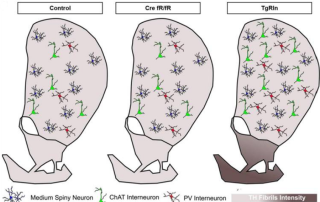
Adult-specific Reelin expression alters striatal neuronal organization: implications for neuropsychiatric disorders
Autors: Pardo M, Gregorio S, Montalban E, Pujadas L, Elias-Tersa A, Masachs N, Vílchez-Acosta A, Parent A, Auladell C, Girault JA, Vila M, Nairn AC, Manso Y, Soriano E. Front Cell Neurosci. 2023 Apr 20;17:1143319 doi: 10.3389/fncel.2023.1143319 Read More Abstract: In addition to neuronal migration, brain development, and adult plasticity, the extracellular matrix protein Reelin has been extensively implicated in human psychiatric disorders such as schizophrenia, bipolar disorder, and autism spectrum disorder. Moreover, heterozygous reeler mice exhibit features reminiscent of these disorders, while overexpression of Reelin protects against its manifestation. However, how Reelin influences the structure and circuits of the [...]
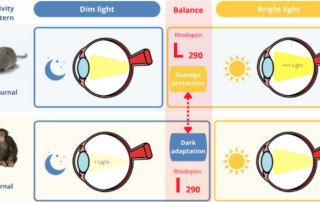
A key amino acid site associated with rhodopsin mammal evolution to diurnal vision.
Authors: Fernández-Sampedro MA, Ramon E, Aguileta G, Bosch-Presegué L, Garriga P. Sci Rep. 2025 Dec 26;16(1):411 doi:10.1038/s41598-025-29872-9. Read More Abstract Rhodopsin is a photoreceptor protein found in the vertebrate retina used as a landmark for vision evolution studies at the molecular level. Here, we examined the biochemical and functional performance of modern rhodopsin from three different mammal species- bovine, murine and human-to analyze their visual pigment evolutionary relationships. We selected these species for their relevance in vision research, their different position on the phylogenetic tree and their diverse ethology regarding nocturnal (mouse) and diurnal (bovine and human) life. [...]
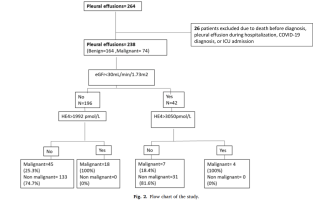
The diagnostic accuracy of HE4 in the differential diagnosis of pleural effusions.
Authors: Bérgamo S, Trapé J, González-García L, González-Fernández C, Vergara C, la-Torre ND, Bosch-Presegué L, Otero-Viñas M, Catot S, Crespo-Casal M, Rives-Jimenez J, Arnau A, Costa R, Cugat JR, Gonzalez-Sánchez F, Pla-Salas X, Sant F. Clin Chim Acta. 2025 Jan 30;566:120027. doi:10.1016/j.cca.2024.120027 Read More Abstract Background: Pleural effusions are challenging to diagnose, with approximately 20-50% of malignant effusions not diagnosed by cytology. Human epididymal protein 4 (HE4) may be useful in the differential diagnosis of pleural effusions. In serum, this biomarker shows false-positive results in some benign diseases. The aim of this study was to evaluate the diagnostic utility [...]